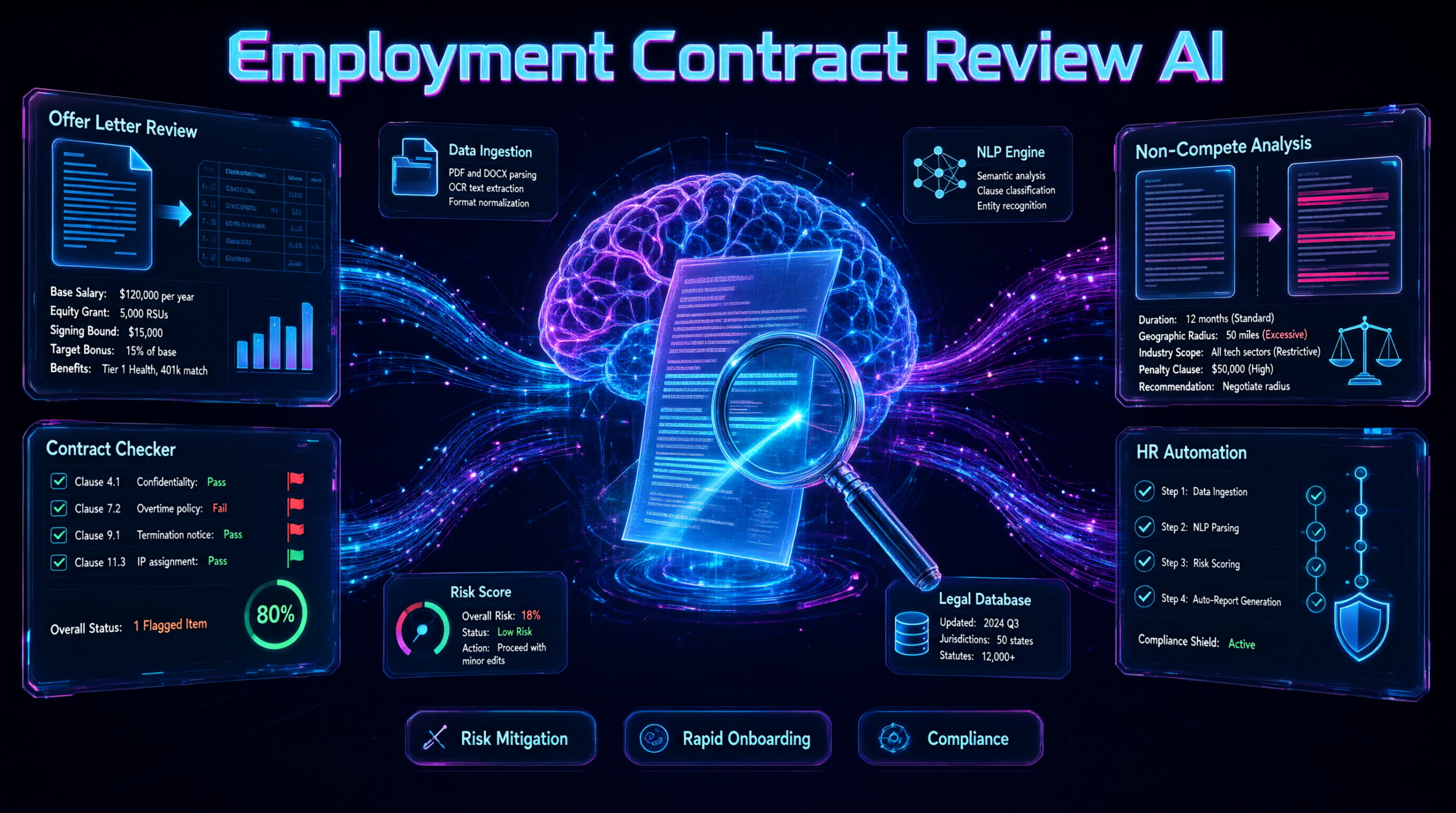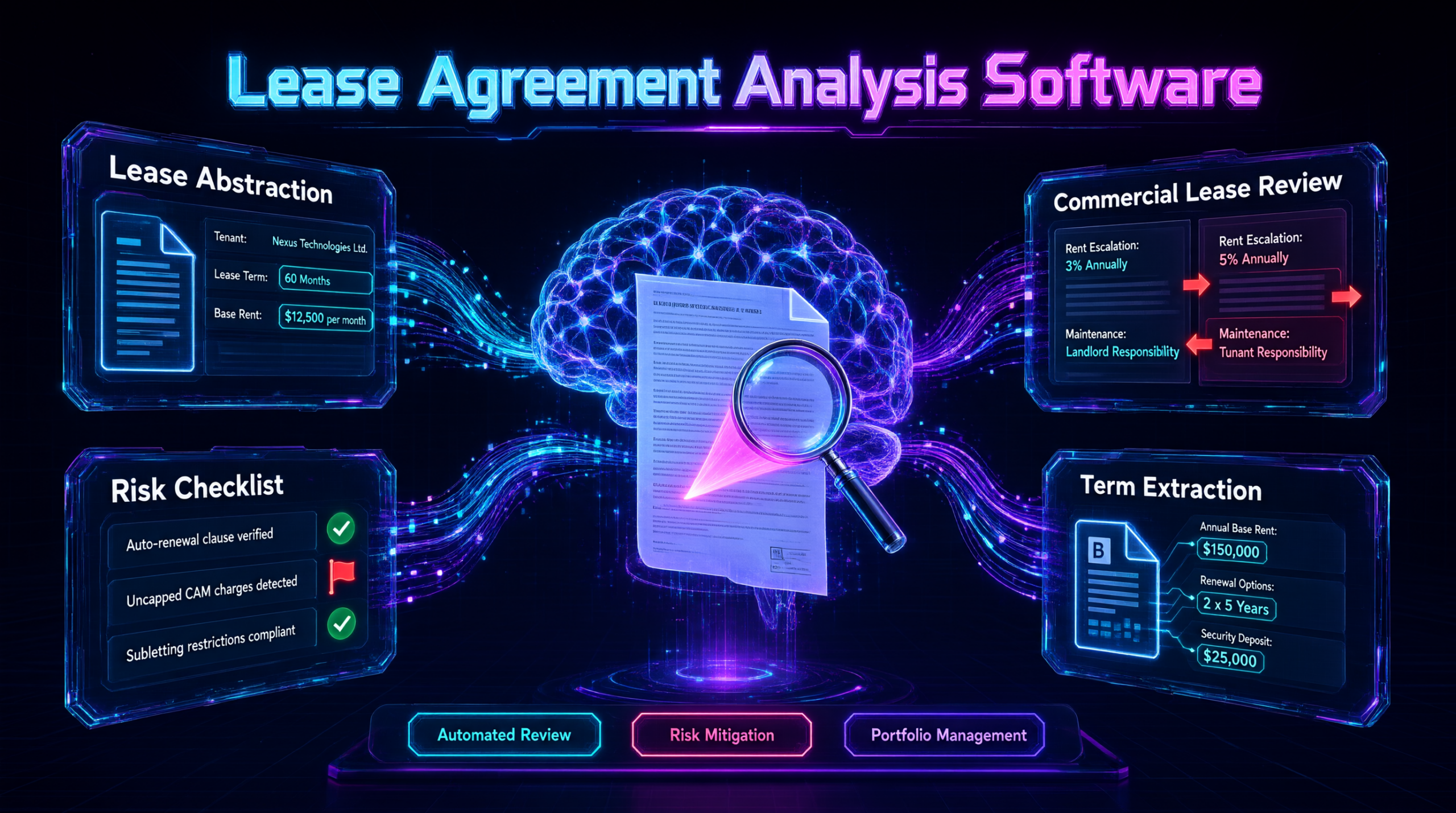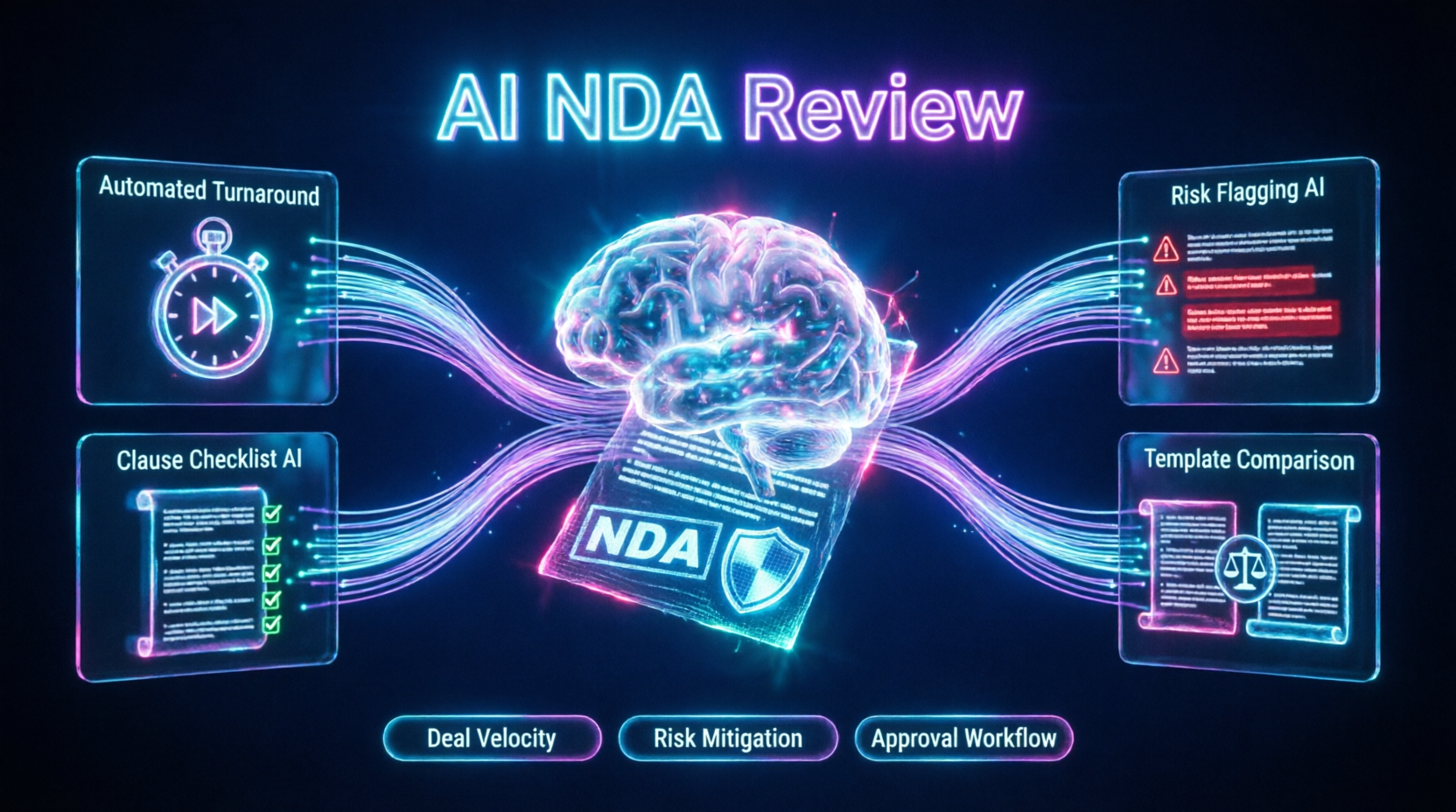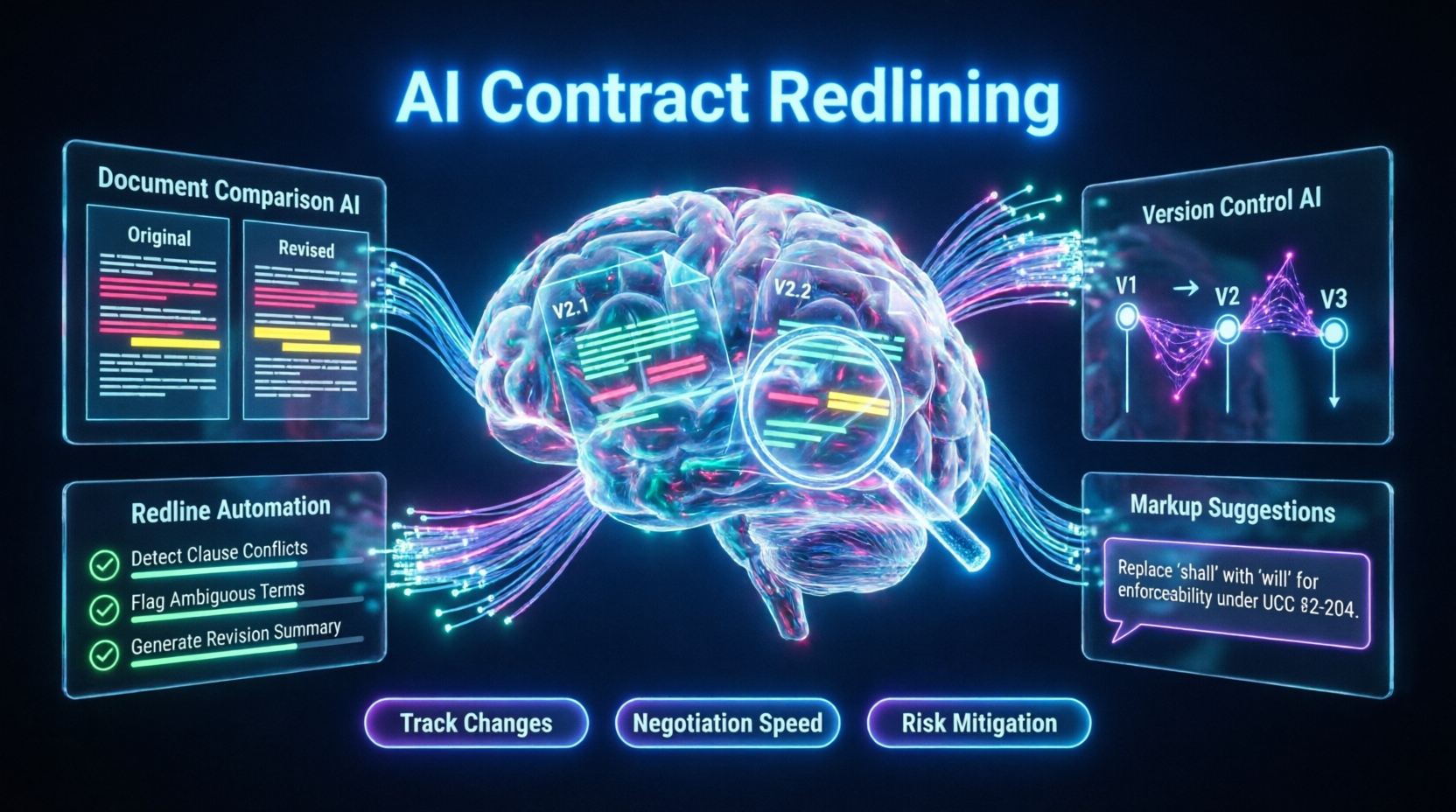

Evaluating AI vs. manual document review is the most critical financial and operational decision modern legal, compliance, and enterprise teams face today. In an era where organizations are drowning in unstructured data, eDiscovery requests, and complex contract lifecycles, relying solely on human reviewers is no longer a viable strategy for maintaining profitability and mitigating risk. Today, forward-thinking firms are leveraging advanced natural language processing (NLP), machine learning, and intelligent automation to process thousands of pages in minutes. If you are looking to understand exactly how to calculate the return on investment and transition your workflows, you are in the right place.
This comprehensive guide demystifies the economics of intelligent document processing. We will break down the hidden cost of manual contract review, detail the measurable document review automation ROI, and provide a strategic blueprint for maximizing the time savings AI document analysis delivers. By the end of this article, you will have a clear, actionable framework for understanding the efficiency of AI document tools, overcoming manual review bottlenecks, and making a data-driven decision on the AI vs manual document review debate for your organization.
1. The Great Debate: Why AI vs Manual Document Review Matters in 2026
Historically, document review was a purely human endeavor. Armies of junior associates, paralegals, and contract managers would spend thousands of hours reading, highlighting, and redlining dense legal and financial texts. While this traditional approach ensured a human eye on every clause, it was inherently slow, expensive, and highly susceptible to human error and fatigue.
The integration of artificial intelligence has fundamentally shifted the paradigm. When evaluating AI vs. manual document review, it is essential to recognize that AI is not just a faster pair of eyes; it is a cognitive engine that understands context, identifies patterns, and learns from human feedback. According to recent research by Gartner on legal technology, law firms and corporate legal departments that adopt AI-driven review workflows report a 50-70% reduction in review time and a significant decrease in missed critical clauses. This shift transforms document review from a massive cost center into a streamlined, strategic advantage.
2. The Hidden Costs: Analyzing the Cost of Manual Contract Review
To truly understand the AI vs. manual document review dynamic, you must first look at the staggering cost of manual contract review. The expenses associated with human-only review extend far beyond the hourly billing rates of the reviewers.
Direct Labor Costs: The most obvious cost is the hourly rate. Whether you are paying outside counsel at $400+ per hour or utilizing internal legal ops staff, the sheer volume of hours required to review a massive M&A data room or a high-volume vendor contract pipeline adds up rapidly. A single complex commercial contract can take a human reviewer 4 to 8 hours to analyze thoroughly; multiply that by hundreds of contracts, and the labor costs become prohibitive.
The Cost of Human Error: Humans get tired. When a reviewer is on hour eight of reading dense indemnification clauses, the likelihood of missing a critical risk, a non-standard liability cap, or an auto-renewal trap increases exponentially. The cost of manual contract review must also factor in the financial and reputational damage caused by these missed errors, which can lead to costly litigation or unfavorable contract terms.
Opportunity Costs: When your highest-paid legal and compliance professionals are bogged down reading boilerplate text, they are not doing high-value strategic work. The opportunity cost of manual review is the loss of billable hours on complex negotiations, strategic counseling, and business development.
3. Overcoming the Friction: Identifying Manual Review Bottlenecks
Understanding manual review bottlenecks is crucial for diagnosing why your document workflows are stalling. These bottlenecks occur at various stages of the traditional review process.
The Intake and Triage Bottleneck: Before review even begins, documents must be collected, organized, and assigned. In a manual workflow, this administrative overhead can take days. Reviewers often spend more time searching for the right version of a document or waiting for assignments than actually reviewing the text.
The Inconsistency Bottleneck: When multiple human reviewers are working on the same project (such as eDiscovery or a large-scale compliance audit), maintaining consistency is incredibly difficult. Reviewer A might flag a specific clause as high-risk, while Reviewer B overlooks it. This inconsistency forces senior partners or managers to spend additional hours conducting quality control (QC) and re-reviewing documents to ensure uniformity.
The Scalability Bottleneck: Manual review simply does not scale. If a company suddenly faces a regulatory inquiry requiring the review of 50,000 emails and documents, a manual team would need to hire dozens of temporary reviewers, rent physical space, and manage a massive logistical operation. Manual review bottlenecks make it nearly impossible to scale up quickly without exponentially increasing costs and compromising quality.
4. The Speed Advantage: Quantifying Time Savings AI Document Analysis Delivers
When comparing AI vs. manual document review, the most immediate and tangible benefit of AI is speed. The time savings AI document analysis provides are not incremental; they are exponential.
Processing Volume at Machine Speed: An AI model can ingest, parse, and analyze thousands of pages of text in a matter of minutes. What would take a team of ten human reviewers a week to complete can often be processed by an AI engine overnight. This allows organizations to meet aggressive legal deadlines and accelerate deal closings without burning out their staff.
Instant Clause Extraction and Tagging: Instead of reading every word, time-saving AI document analysis tools can instantly extract specific data points. If you need to find every “Force Majeure” clause across 500 vendor contracts to see how they address pandemics, the AI can locate, extract, and summarize those specific clauses in seconds, presenting them in a structured dashboard for human review.
Accelerated First-Pass Review In eDiscovery and due diligence, AI is used for “Technology Assisted Review” (TAR). The AI conducts the first pass, automatically culling irrelevant documents and prioritizing the most likely relevant ones for human eyes. This reduces the total document population that humans need to read by up to 80%, drastically cutting down the overall project timeline.
5. Maximizing Output: The True Efficiency of AI Document Tools
Speed is only one part of the equation; accuracy and consistency define the true efficiency of AI document tools. Modern platforms utilize advanced Natural Language Processing (NLP) and Large Language Models (LLMs) to understand the semantic meaning of text, not just keyword matching.
Contextual Understanding: Early AI tools relied on simple keyword searches, which often resulted in high false-positive rates. Today, the efficiency of AI document tools is driven by contextual AI. The system understands that “termination for cause” and “termination for convenience” are legally distinct concepts, even if they share similar vocabulary. This deep understanding reduces the noise and allows reviewers to focus only on highly relevant material.
Continuous Learning and Adaptation: Modern AI tools utilize active learning. As human reviewers correct the AI’s suggestions or tag new concepts, the model updates in real time. The efficiency of AI document tools actually improves over the lifespan of a project, becoming more accurate and requiring less human intervention as the review progresses.
Standardized Playbooks and Automated Redlining: For contract lifecycle management (CLM), AI tools can be trained on a company’s specific legal playbooks. When a third party sends a contract, the AI automatically compares it against the playbook, flags non-standard clauses, and can even suggest or auto-apply approved redlines. This standardizes the review process and ensures that every contract aligns with corporate risk tolerance.
6. Calculating the Bottom Line: Document Review Automation ROI Explained
Ultimately, the decision between AI vs manual document review comes down to the bottom line. Calculating the document review automation ROI requires looking at both hard cost savings and soft strategic benefits.
Calculating Hard Cost Savings: To calculate the hard ROI, compare the total cost of the manual workflow against the AI workflow.
- Manual Cost: (Total pages × Average time per page × Hourly rate of reviewer) + QC costs.
- AI Cost: (Software licensing/subscription fees + Implementation costs + Reduced human review hours). In almost all high-volume scenarios, the document review automation ROI yields a positive return within the first few months, often saving organizations tens or hundreds of thousands of dollars per project.
Soft ROI: Risk Mitigation and Deal Velocity. The soft ROI is equally critical. By reducing the cost of manual contract review, you accelerate deal velocity. Closing a merger a week earlier or onboarding a key vendor faster has direct revenue implications. Furthermore, the reduction in human error mitigates the massive financial risk associated with missing a critical compliance requirement or a dangerous contractual loophole.
Predictable Budgeting: Manual review costs are highly variable and difficult to predict, often leading to budget overruns. AI software typically operates on a predictable SaaS subscription or per-page pricing model, allowing legal and compliance departments to forecast their budgets with high accuracy.
7. Finding the Balance: When to Use AI vs Human Reviewers
While the efficiency of AI document tools is undeniable, the AI vs manual document review debate is not about total replacement; it is about optimal collaboration. The most successful organizations adopt a “Human-in-the-Loop” (HITL) approach.
When to Rely on AI: AI should handle the heavy lifting: high-volume first-pass reviews, bulk data extraction, identifying standard vs. non-standard clauses, and translating complex legal jargon into plain-English summaries. AI excels at repetitive, rule-based, and high-volume tasks where consistency and speed are paramount.
When to Rely on Humans: Human reviewers are essential for tasks requiring nuanced judgment, strategic negotiation, and emotional intelligence. Humans should focus on finalizing complex deal structures, negotiating high-stakes terms with opposing counsel, understanding the broader business context of a contract, and making final risk-acceptance decisions. AI provides the data; humans provide the strategy.
8. Comprehensive Query Coverage
What is the primary difference between AI and manual document review? The primary difference in the AI vs. manual document review debate is scale and consistency. Manual review relies on human cognition, which is slow, expensive, and prone to fatigue. AI review uses machine learning to process vast volumes of text instantly, maintaining perfect consistency and extracting specific data points without getting tired.
How do I calculate the document review automation ROI for my firm? To calculate document review automation ROI, measure the baseline cost of your current manual process (hours spent × hourly rate). Then, estimate the time saved by using AI (typically 50-70% reduction in review hours) and subtract the cost of the AI software. Factor in the soft ROI of faster deal closings and reduced risk to get the full picture.
What are the most common manual review bottlenecks? The most common manual review bottlenecks include the initial triage and assignment of documents, maintaining consistency across multiple reviewers, the sheer time required to read boilerplate text, and the massive QC overhead required to check the work of fatigued human reviewers.
Is the cost of manual contract review always higher than AI? For low-volume, highly complex, or one-off contracts, the cost of manual contract review might be lower than implementing an AI solution. However, for any high-volume workflow, recurring contract reviews, or large-scale eDiscovery, AI is vastly more cost-effective and provides a superior ROI.
How much time savings does AI document analysis actually deliver? The time savings AI document analysis delivers are substantial. Industry benchmarks show that AI can reduce first-pass review time by 50% to 80%. For example, a task that takes a human 10 hours to complete might take an AI 30 minutes to process, with the human only needing to spend 2 hours reviewing the AI’s extracted insights.
Where can I find more resources on legal and compliance technology? Beyond this guide, explore the Allesora AI Directory for curated lists of enterprise AI platforms, and check out our guides on AI Document Analysis Platform and AI Contract Review Software for maximizing your organization’s legal technology stack.
Conclusion
Navigating the AI vs manual document review landscape is no longer about whether to adopt artificial intelligence, but how quickly and effectively you can integrate it into your workflows. The hidden cost of manual contract review, combined with severe manual review bottlenecks, makes the traditional human-only approach unsustainable for modern, high-volume enterprises.
By leveraging the efficiency of AI document tools, organizations can unlock massive time savings that AI document analysis provides, transforming document review from a grueling administrative burden into a strategic, automated advantage. When you accurately calculate the document review automation ROI, the financial and operational benefits become undeniable.
The future of document review is not AI replacing humans; it is AI empowering humans. By letting machines handle the volume and the data extraction, your legal, compliance, and business teams are freed to focus on high-value strategy, negotiation, and decision-making. Embrace the power of intelligent automation today, and position your organization at the absolute forefront of the legal and enterprise tech revolution.