
Implementing AI agreement review has fundamentally transformed how modern legal departments and law firms manage their contractual obligations, shifting the paradigm from slow, manual line-by-line scrutiny to rapid, intelligent, and highly accurate automated analysis. In an era where businesses execute thousands of contracts annually, relying on traditional, human-only review processes is no longer a viable strategy for maintaining operational agility or mitigating legal exposure. Today, forward-thinking general counsels and legal operations professionals are leveraging advanced natural language processing (NLP) and machine learning to extract insights, enforce compliance, and accelerate deal velocity. If you are a legal leader looking to understand how to deploy this technology to reclaim hundreds of hours annually, you are in the right place.
This comprehensive guide demystifies the value proposition of intelligent legal technology. We will explore the top 10 transformative benefits of adopting an AI agreement review workflow, detail the capabilities of modern agreement analysis tools, and provide a strategic blueprint for utilizing contract clause extraction to enforce corporate playbooks. By the end of this article, you will have a clear, actionable understanding of how an AI legal review tool identifies risk terms in contracts, empowers your team to achieve faster contract turnaround, and ultimately elevates the legal function from a cost center to a strategic business partner.
1. The Evolution of Legal Tech: Why AI Agreement Review Matters
Historically, contract review was a purely manual, highly subjective, and labor-intensive process. Junior associates or paralegals would spend countless hours reading dense legal jargon, manually highlighting key clauses, and cross-referencing terms against a company’s legacy playbook. This approach was not only excruciatingly slow but also prone to fatigue-induced errors. A missed indemnification clause, an overlooked auto-renewal date, or a non-standard liability cap could cost a company millions in unforeseen liabilities.
The integration of AI agreement review represents a quantum leap in legal operations. Unlike basic keyword search tools (like Ctrl+F) that only find exact string matches, modern AI understands the semantic meaning, context, and relationships within legal text. It can instantly identify deviations from standard templates, flag missing clauses, and extract critical metadata with superhuman speed and consistency. According to recent industry research by Gartner, legal departments utilizing advanced AI-driven contract tools report a 50-70% reduction in review time and a significant decrease in contractual risk exposure. This shift allows legal professionals to focus on high-value strategic negotiations rather than mundane administrative tasks.
2. Top 10 Benefits of Implementing AI for Agreement Review
To fully grasp the transformative impact of this technology, it is essential to break down the specific, measurable advantages it brings to the legal department and the broader organization.
1. Accelerated Processing: Achieving Faster Contract Turnaround
The most immediate and tangible benefit of AI agreement review is speed. Manual review of a standard 10-page Non-Disclosure Agreement (NDA) or Vendor Agreement can take a lawyer 30 to 60 minutes. An AI system can ingest, analyze, and flag deviations in that same document in under 30 seconds. By automating the initial triage and extraction phases, legal teams can drastically reduce bottlenecks. This faster contract turnaround directly impacts the business, accelerating sales cycles, speeding up vendor onboarding, and improving overall organizational agility without requiring additional headcount.
2. Enhanced Accuracy in Contract Clause Extraction
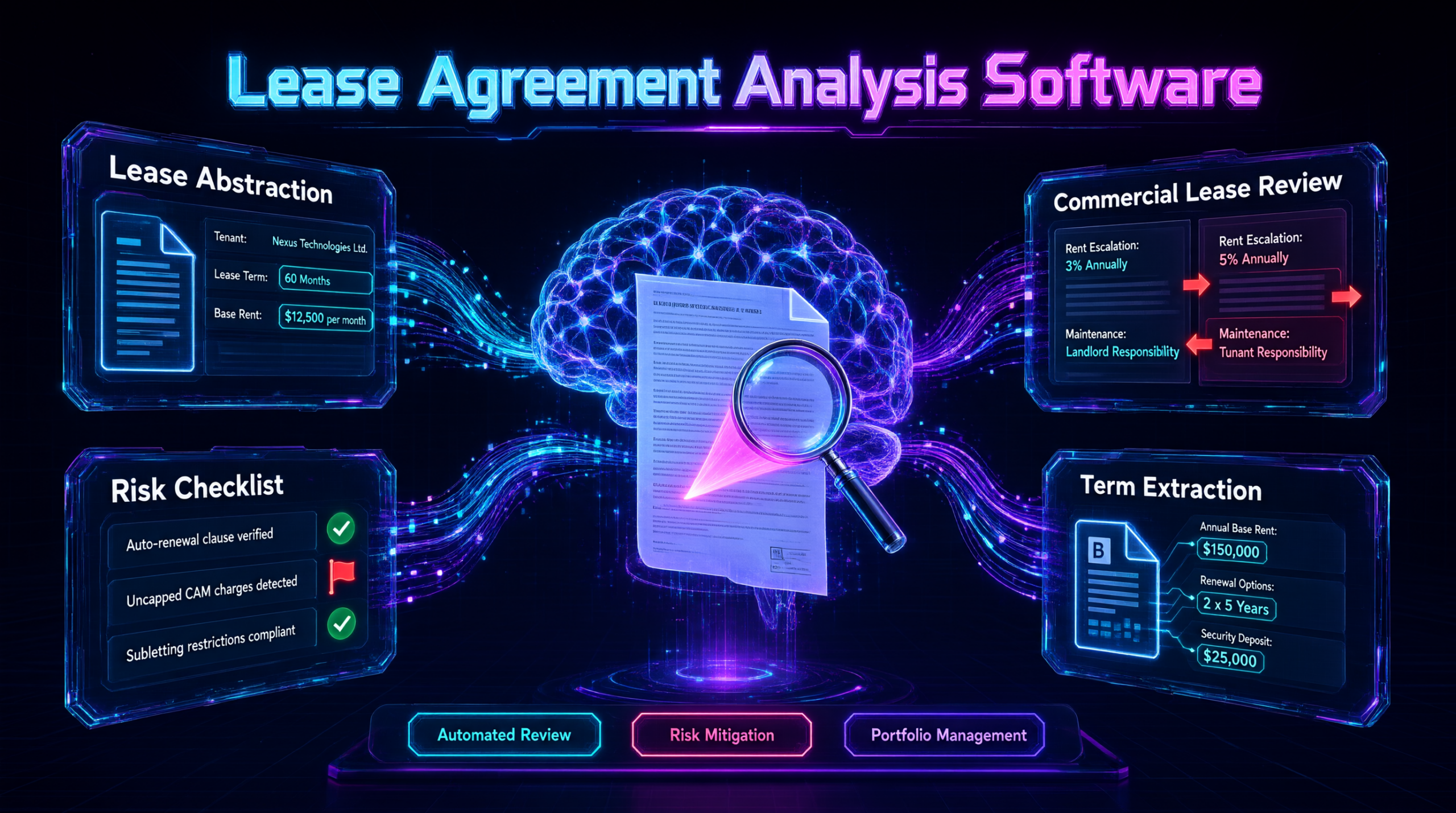
Human reviewers, no matter how experienced, are susceptible to “tunnel vision” and fatigue, especially when reviewing high volumes of similar documents. AI eliminates this vulnerability. Advanced contract clause extraction engines use Named Entity Recognition (NER) and semantic parsing to locate and extract specific provisions (e.g., termination rights, governing law, payment terms) with near-perfect consistency. This ensures that critical data points are never missed, creating a reliable, structured database of contractual obligations that the business can trust.
3. Proactive Identification of Risk Terms in Contracts
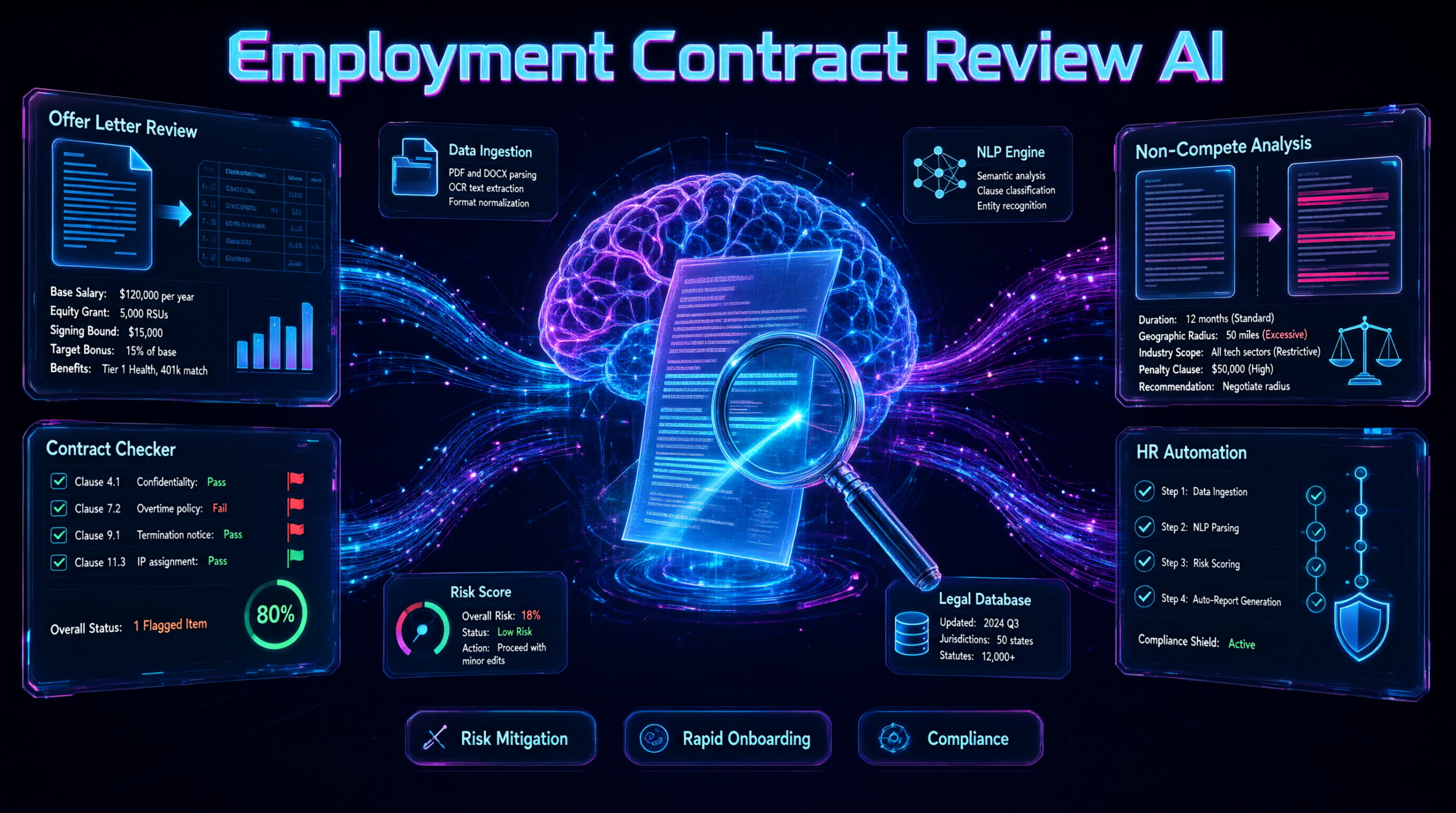
One of the most critical functions of a legal team is risk mitigation. An intelligent AI legal review tool is pre-trained or custom-trained to recognize unfavorable or non-standard language. By comparing incoming third-party papers against the company’s approved legal playbook, the AI can instantly flag risk terms in contracts. Whether it’s an uncapped liability clause, an overly broad intellectual property assignment, or a missing force majeure provision, the AI highlights the exact location of the risk and often suggests pre-approved fallback language, empowering lawyers to negotiate from a position of strength.
4. Scalability for High-Volume Legal Operations
Business growth inevitably leads to an increase in contract volume. Hiring more lawyers to keep pace with this growth is expensive and time-consuming. AI agreement review provides infinite, elastic scalability. Whether your team is reviewing 50 contracts a month or 5,000, the AI system processes the workload with the same speed and accuracy. This allows legal departments to support aggressive corporate expansion, mergers and acquisitions (M&A) due diligence, or seasonal spikes in procurement without compromising on quality or burning out staff.
5. Standardization and Playbook Compliance
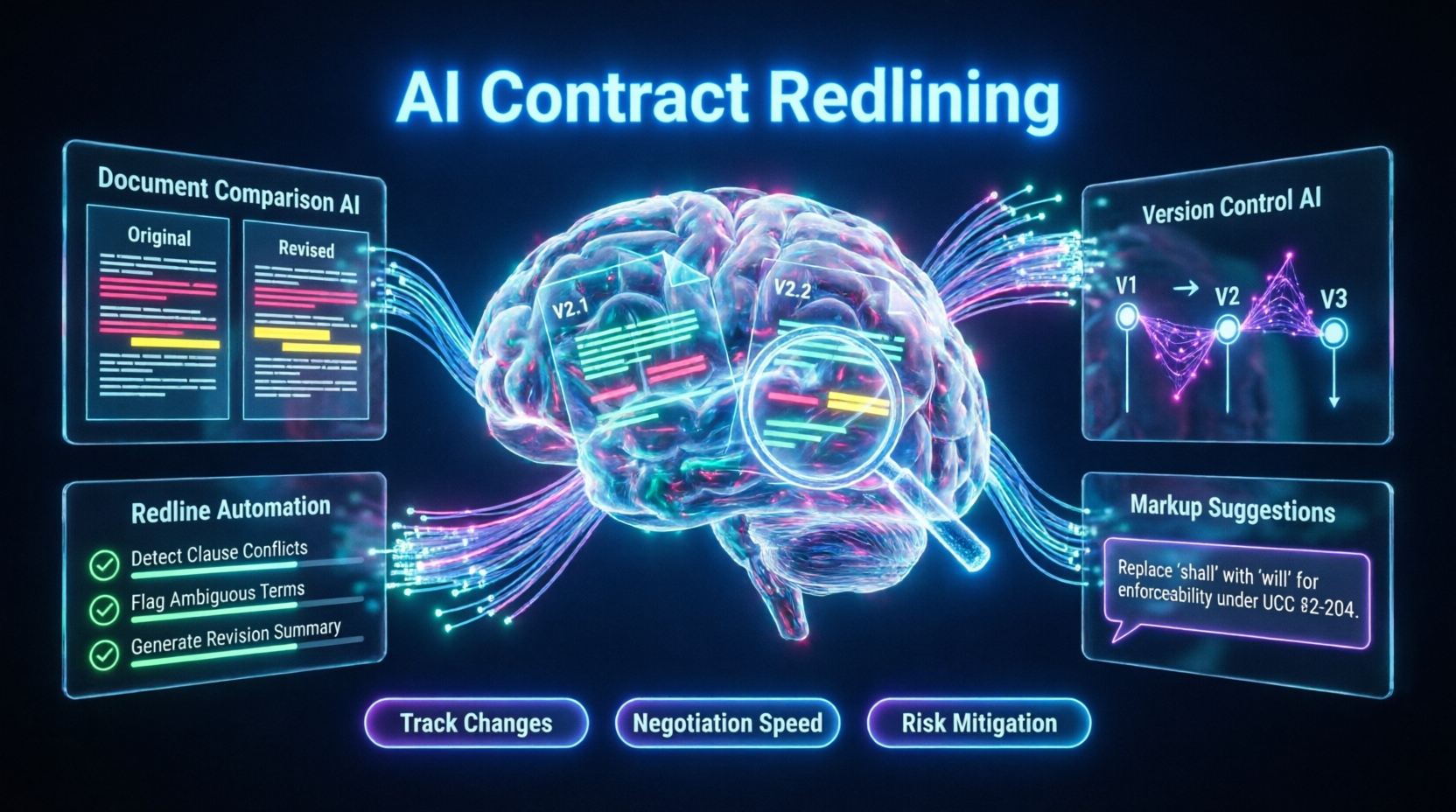
Every organization has a preferred way of doing business, codified in its legal playbook. However, ensuring that every lawyer and every external counsel adheres to this playbook manually is nearly impossible. An agreement analysis tool acts as an impartial, tireless guardian of corporate standards. It automatically checks every incoming draft against the playbook’s rules. If a counterparty changes a standard limitation of liability from “12 months of fees” to “24 months of fees,” the AI flags the deviation instantly, ensuring strict, organization-wide compliance and reducing the need for subjective interpretation.
6. Cost Reduction and Improved ROI for Legal Departments
The financial impact of AI agreement review is profound. By automating routine reviews, companies can significantly reduce their reliance on expensive external counsel for low-complexity, high-volume work. Furthermore, the internal legal team can handle a larger volume of work without expanding headcount. When you factor in the cost savings from avoiding unfavorable contract terms (e.g., catching an automatic renewal trap or a hidden fee), the Return on Investment (ROI) for implementing an AI legal tech stack becomes clear and easily justifiable to the C-suite.
7. Improved Collaboration with Business Stakeholders
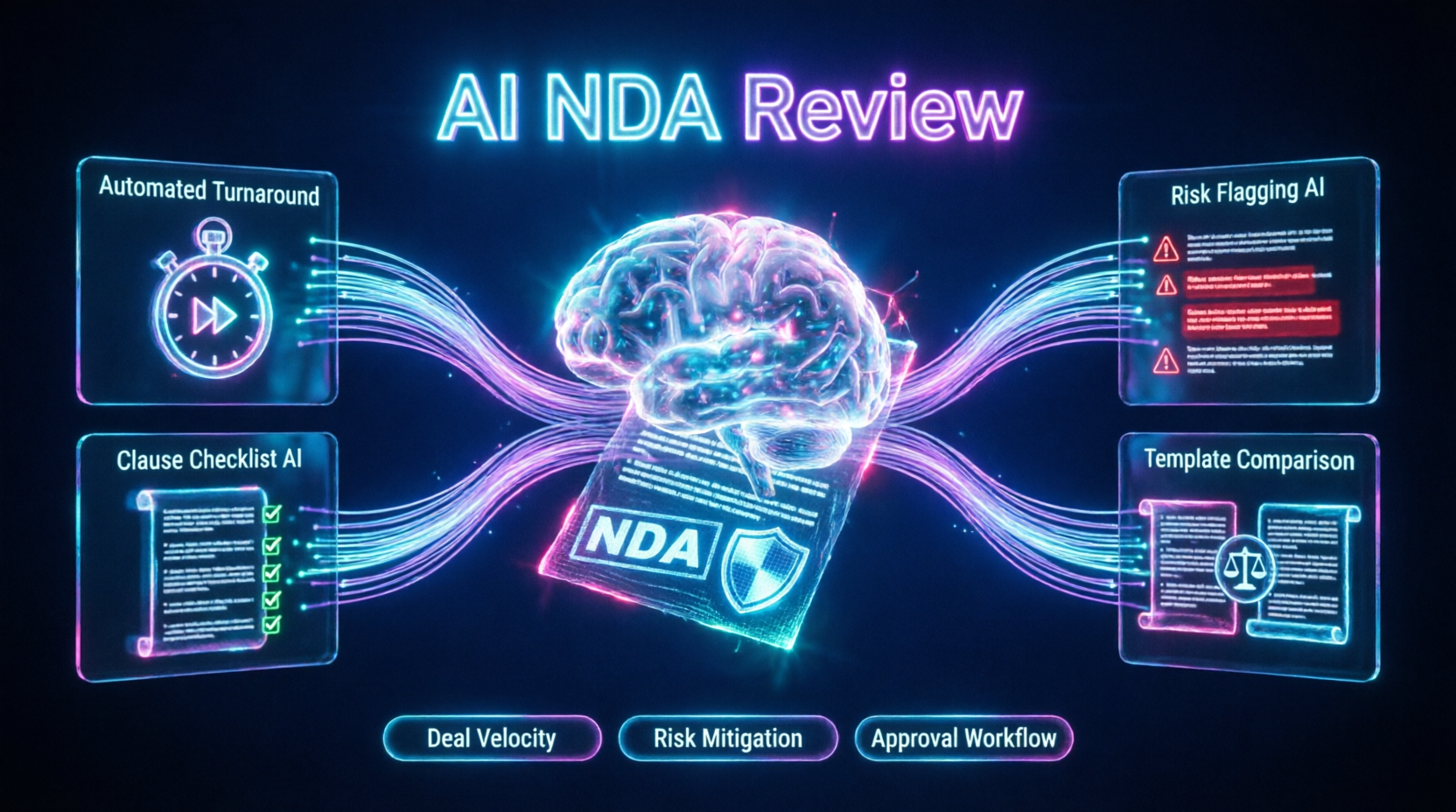
Historically, the legal department has been viewed as a “department of no,” creating friction with sales, procurement, and HR teams who need contracts executed quickly. By deploying an AI legal review tool, legal teams can empower business stakeholders with self-service capabilities. For example, a sales representative can upload a standard NDA to a portal, and the AI can instantly approve it if it matches the approved template or flag specific, easy-to-understand deviations for the rep to address before it ever reaches a lawyer’s desk. This fosters a collaborative, business-enabling environment.
8. Advanced Data Insights via Agreement Analysis Tools
Contracts are not just static documents; they are rich repositories of business data. Modern agreement analysis tools do more than just review; they extract and structure metadata. By analyzing thousands of contracts, legal operations can generate powerful dashboards answering critical business questions: “What is our average discount rate across all SaaS agreements?” or “Which vendors have the most favorable payment terms?” This transforms the legal department from a reactive document reviewer into a proactive source of strategic business intelligence.
9. Seamless Integration with Existing Legal Tech Stacks
The best AI agreement review solutions are designed to fit seamlessly into the workflows lawyers already use. Rather than forcing users to log into a clunky, standalone application, modern AI tools integrate directly via APIs with existing Contract Lifecycle Management (CLM) systems, eSignature platforms (like DocuSign), CRM systems (like Salesforce), and cloud storage (like SharePoint or Google Drive). This frictionless integration ensures high user adoption and maximizes the utility of the organization’s existing technology investments.
10. Future-Proofing with Continuous Machine Learning
Unlike static rule-based software, AI systems built on machine learning models continuously improve over time. Every time a human lawyer reviews an AI’s suggestion, accepts a flagged risk, or corrects a misidentified clause, that feedback is fed back into the model. This “human-in-the-loop” (HITL) process means the AI agreement review system becomes smarter, more accurate, and more tailored to your company’s specific nuances with every single contract it processes, ensuring the technology remains a long-term, appreciating asset.
3. Comprehensive Query Coverage
What is the primary benefit of AI agreement review? The primary benefit is speed and efficiency. AI agreement review drastically reduces the time spent on manual, line-by-line reading, enabling faster contract turnaround and allowing legal professionals to focus on high-value strategic negotiations rather than administrative bottlenecks.
How does an AI legal review tool identify risks? An AI legal review tool uses natural language processing to compare the language in a third-party contract against your company’s pre-defined legal playbook. It instantly flags deviations, missing clauses, or unfavorable language, highlighting risk terms in contracts so lawyers can address them proactively.
Can AI accurately perform contract clause extraction? Yes. Modern AI is highly proficient at contract clause extraction. It uses semantic understanding to locate specific provisions (like indemnification, termination, or governing law) regardless of how they are phrased, achieving accuracy rates that often surpass human reviewers who may suffer from fatigue.
Is an agreement analysis tool difficult to integrate? Not necessarily. Leading agreement analysis tool providers offer robust APIs and pre-built connectors designed to integrate seamlessly with popular CLM, CRM, and eSignature platforms, ensuring a smooth workflow without disrupting existing processes.
How does AI agreement review improve ROI for legal teams? By automating high-volume, low-complexity reviews, companies reduce external legal spend and internal administrative overhead. Furthermore, catching unfavorable terms before execution prevents costly financial leaks, delivering a measurable, positive ROI.
4. Conclusion
Adopting AI agreement review is no longer a futuristic luxury reserved for elite global law firms; it is a present-day operational imperative for any legal department striving for efficiency, accuracy, and scalability. By moving beyond the limitations of manual review and embracing intelligent extraction, risk flagging, and workflow automation, legal teams can reclaim hundreds of hours every week.
Whether you are deploying an agreement analysis tool to accelerate sales cycles, leveraging advanced contract clause extraction to enforce playbook compliance, or utilizing an AI legal review tool to proactively identify risk terms in contracts, the key to success lies in a strategic, phased implementation. Start with high-volume, standardized documents, prioritize seamless integration, and foster a culture of continuous feedback to train your models.
As AI technology continues to evolve, the ability to instantly understand, negotiate, and manage any agreement will become a core competitive differentiator. Embrace the top 10 benefits of AI agreement review today to build a more agile, efficient, and strategically focused legal organization ready for the future of business.