
Mastering AI for legal professionals has transitioned from a futuristic concept to an absolute operational imperative for modern law firms and corporate legal departments. In an era where the volume of digital evidence, contracts, and regulatory documents grows exponentially, relying on manual, line-by-line review is no longer a viable strategy for maintaining profitability, accuracy, or competitive advantage. Today, forward-thinking attorneys and legal operations teams are leveraging advanced natural language processing (NLP), machine learning, and intelligent automation to streamline workflows and mitigate risk. If you are a legal practitioner looking to understand exactly how to integrate these technologies into your daily practice, you are in the right place.
This comprehensive guide demystifies the practical application of artificial intelligence in the legal sector. We will explore the core capabilities of modern legal tech AI tools, detail the transformative impact of legal document review software, and provide a strategic blueprint for implementing contract analysis for lawyers. By the end of this article, you will have a clear, actionable framework for adopting legaltech automation, ensuring your firm remains at the forefront of efficiency, compliance, and client service in 2026.
1. The Evolution of Legal Practice: Why AI for Legal Professionals Matters
Historically, the legal profession was defined by billable hours spent on meticulous, manual document review. Junior associates and paralegals would dedicate thousands of hours to reading dense contracts, tagging clauses, and searching for specific keywords during eDiscovery. While thorough, this approach was inherently flawed: it was slow, expensive, and highly susceptible to human fatigue, which often led to missed critical details or inconsistent application of legal standards.
The integration of AI for legal professionals represents a quantum leap in legal service delivery. Unlike legacy keyword-search tools that only find exact string matches, modern artificial intelligence understands the semantic meaning, context, and relationships within legal text. It can instantly identify deviations from standard templates, flag missing clauses, and extract critical metadata with superhuman speed and consistency. According to recent reports by the American Bar Association (ABA), law firms that actively deploy AI in law firms report a 40-60% reduction in document review time and a significant decrease in operational costs, allowing attorneys to focus on high-value strategic counsel rather than mundane administrative tasks.
2. Core Capabilities of Modern Legal Tech AI Tools
To leverage these systems effectively, legal professionals must understand the underlying mechanics of legal tech AI tools. These platforms are not magic; they are sophisticated pipelines of data processing designed specifically for the nuances of legal language.
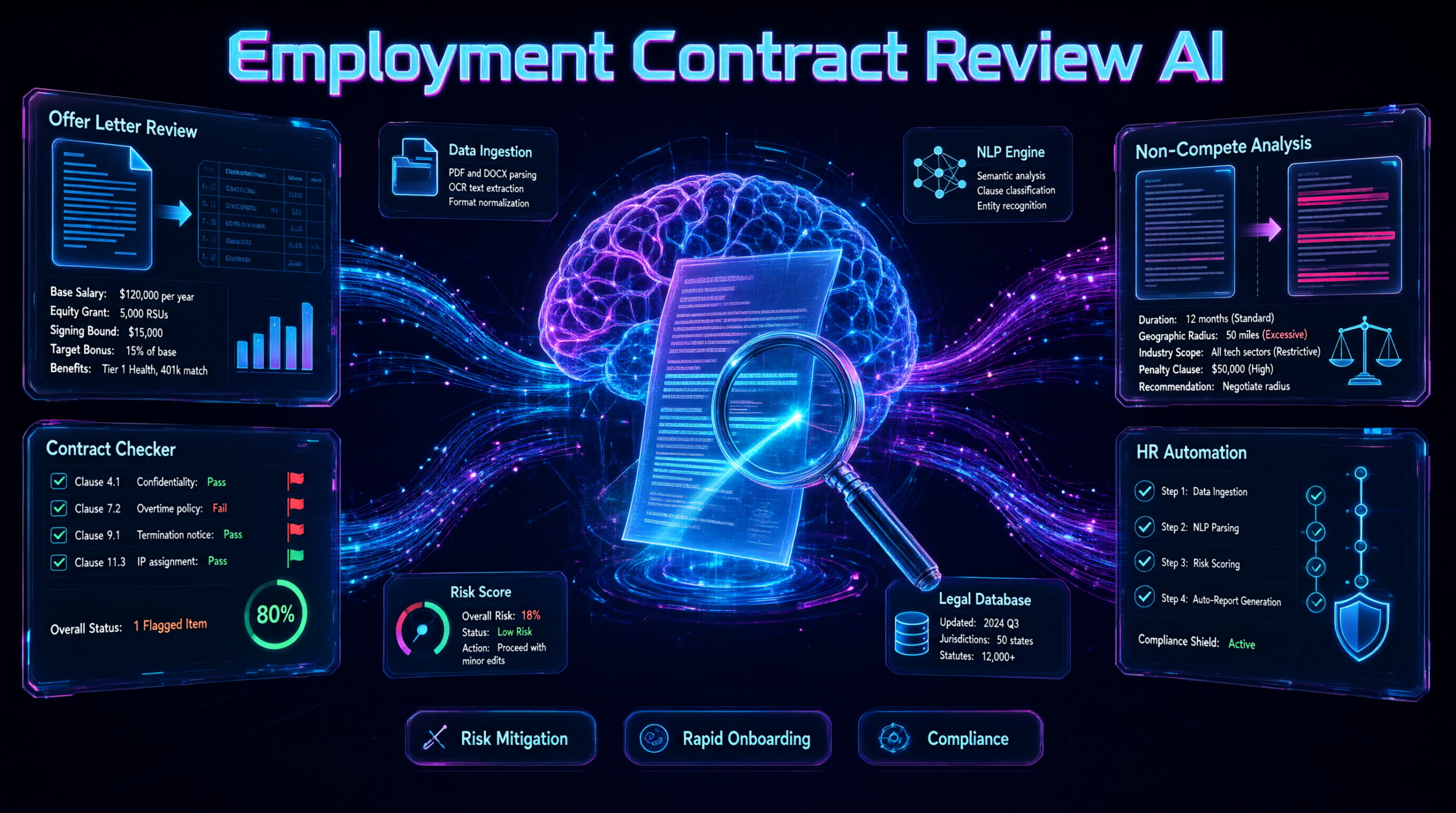
Optical Character Recognition (OCR) and Ingestion The process begins with the ability to ingest documents in any format—PDFs, scanned images, Word documents, or even handwritten notes. Advanced OCR technology converts visual text into machine-readable data while preserving the original formatting and layout, which is crucial for maintaining the chain of custody and context in legal proceedings.
Natural Language Processing (NLP) and Named Entity Recognition (NER): NLP is the engine that allows machines to “read” like humans. Legal tech AI tools use NLP to parse complex legal jargon, identifying and classifying specific entities such as party names, governing law jurisdictions, monetary values, and critical dates. NER algorithms map these entities, creating a structured database out of unstructured text.
Machine Learning and Predictive Coding: Modern systems employ supervised machine learning. An attorney reviews and tags a small, representative sample of documents (the “training set”). The AI learns from these human decisions and then applies that logic to the remaining thousands of documents, continuously improving its accuracy as it receives feedback. This predictive coding is the cornerstone of efficient, large-scale legal document review software.
3. Transforming Workflows: Legal Document Review Software in Action
The most immediate and tangible impact of artificial intelligence in the legal sector is seen in eDiscovery and due diligence. Legal document review software has fundamentally altered how legal teams manage massive volumes of information.
Intelligent Triage and Prioritization: Instead of reviewing documents in the arbitrary order they are produced, AI enables intelligent triage. The software can analyze a corpus of 100,000 documents in minutes, categorizing them by relevance, privilege, and topic. Highly relevant or potentially privileged documents are immediately escalated to senior attorneys, while clearly irrelevant material is automatically culled, saving thousands of billable hours.
Concept Clustering and Thread Analysis: Advanced legal document review software goes beyond individual documents to understand relationships. It can cluster documents by concept (e.g., “Project Alpha negotiations”) or identify email threads, allowing reviewers to understand the full context of a communication without having to manually piece together fragmented messages.
Privilege Logging Automation: Creating privilege logs is notoriously tedious. AI tools can automatically identify attorney-client communications, work-product materials, and confidential information, drafting preliminary privilege log entries that human reviewers can quickly verify and refine, drastically reducing the time spent on this administrative burden.
4. Mastering Contract Analysis for Lawyers: Speed, Accuracy, and Risk Mitigation
For corporate counsel and transactional attorneys, contract analysis for lawyers is perhaps the most valuable application of AI. The ability to rapidly assess risk and ensure compliance is a major competitive differentiator.
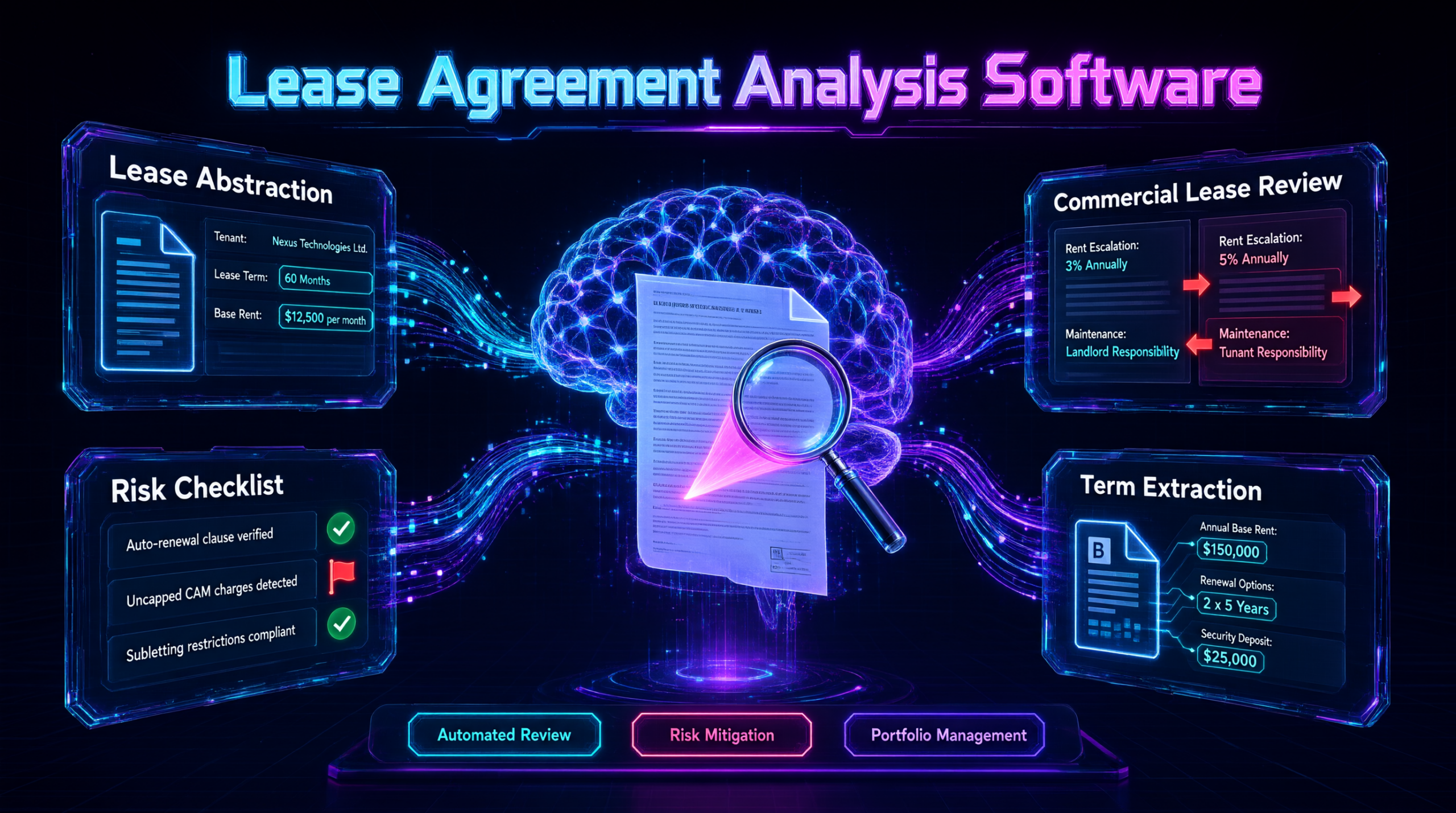
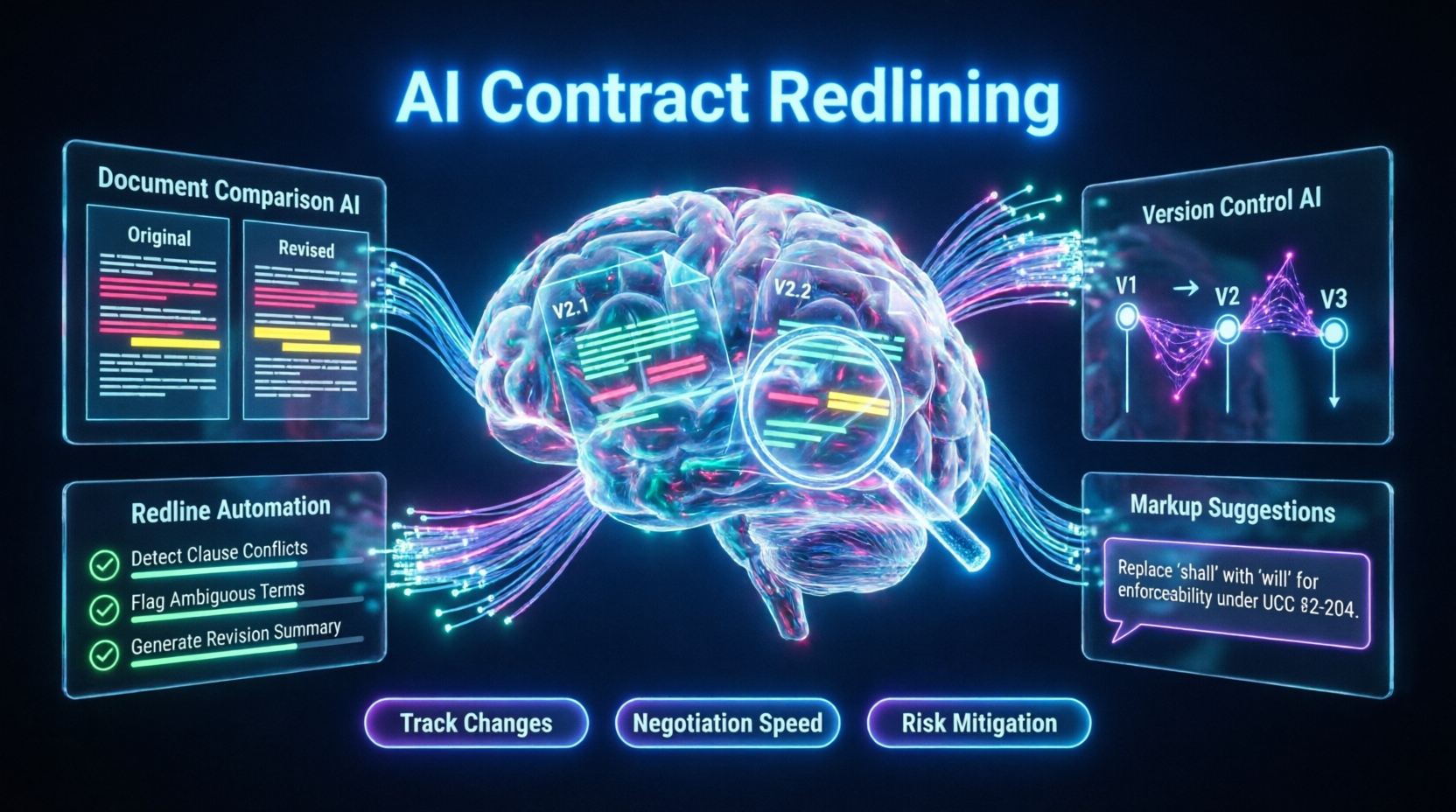
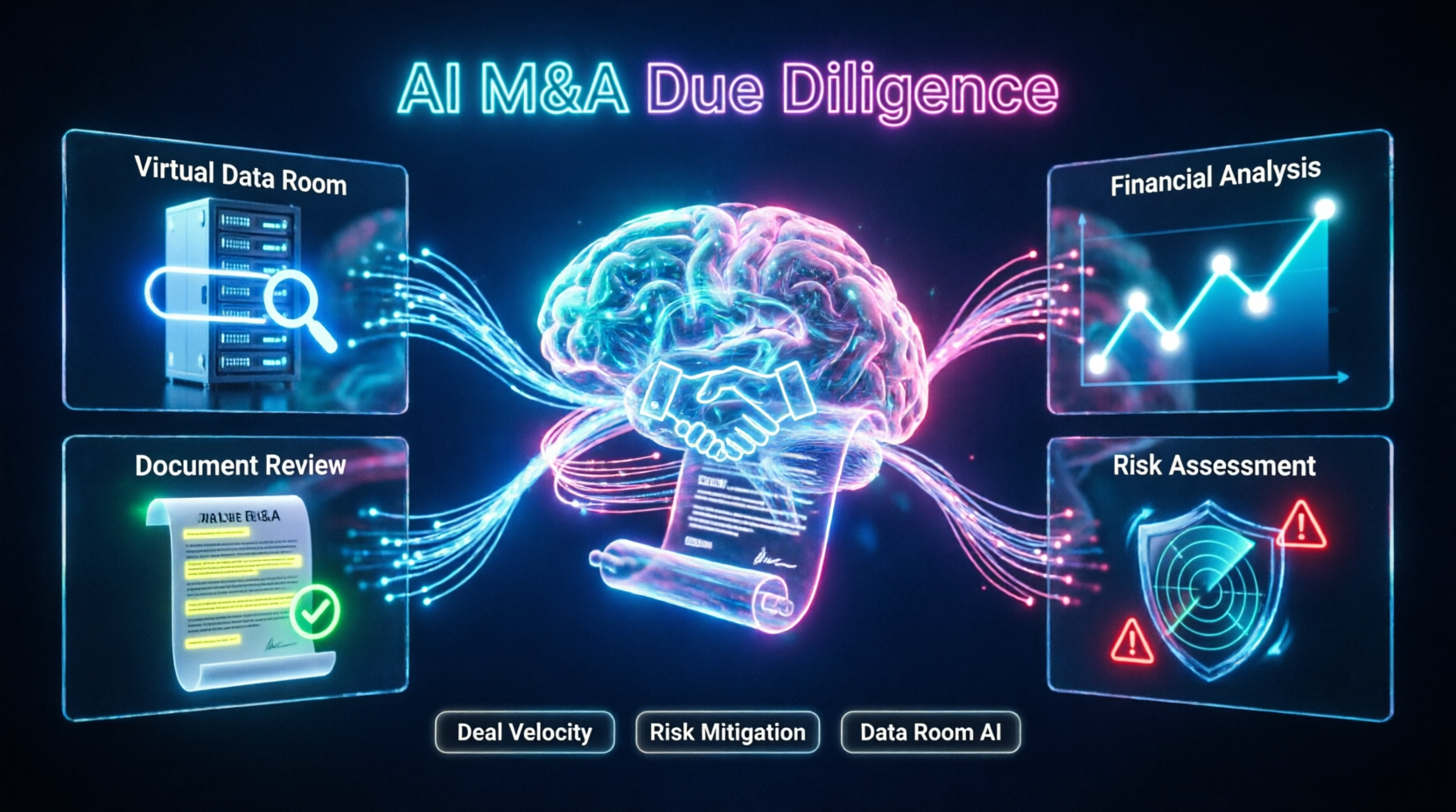
Automated Clause Extraction and Comparison: When reviewing a third-party paper, contract analysis for lawyers tools can instantly extract key provisions such as limitation of liability, indemnification, termination rights, and auto-renewal clauses. The AI then compares these extracted terms against the firm’s or company’s approved “playbook” or fallback positions, highlighting any deviations in red for immediate attorney attention.
Risk Scoring and Anomaly Detection: AI doesn’t just find clauses; it evaluates them. By analyzing historical data of past negotiations and outcomes, legal tech AI tools can assign a risk score to specific contract language. If a counterparty inserts an unusually broad indemnification clause, the system flags it as a high-risk anomaly, prompting the attorney to negotiate a revision before the document is signed.
Obligation Management and Lifecycle Tracking: The value of contract analysis for lawyers extends beyond the signing phase. AI can extract key dates and obligations (e.g., “deliverable due on Q3,” “notice of termination required 90 days prior”) and integrate them into calendar or ERP systems. This proactive tracking prevents missed deadlines, unwanted auto-renewals, and compliance breaches.
5. Implementing Legaltech Automation: A Step-by-Step Practical Guide
Adopting legal tech automation requires more than just purchasing software; it requires a strategic change management process to ensure adoption and maximize ROI.
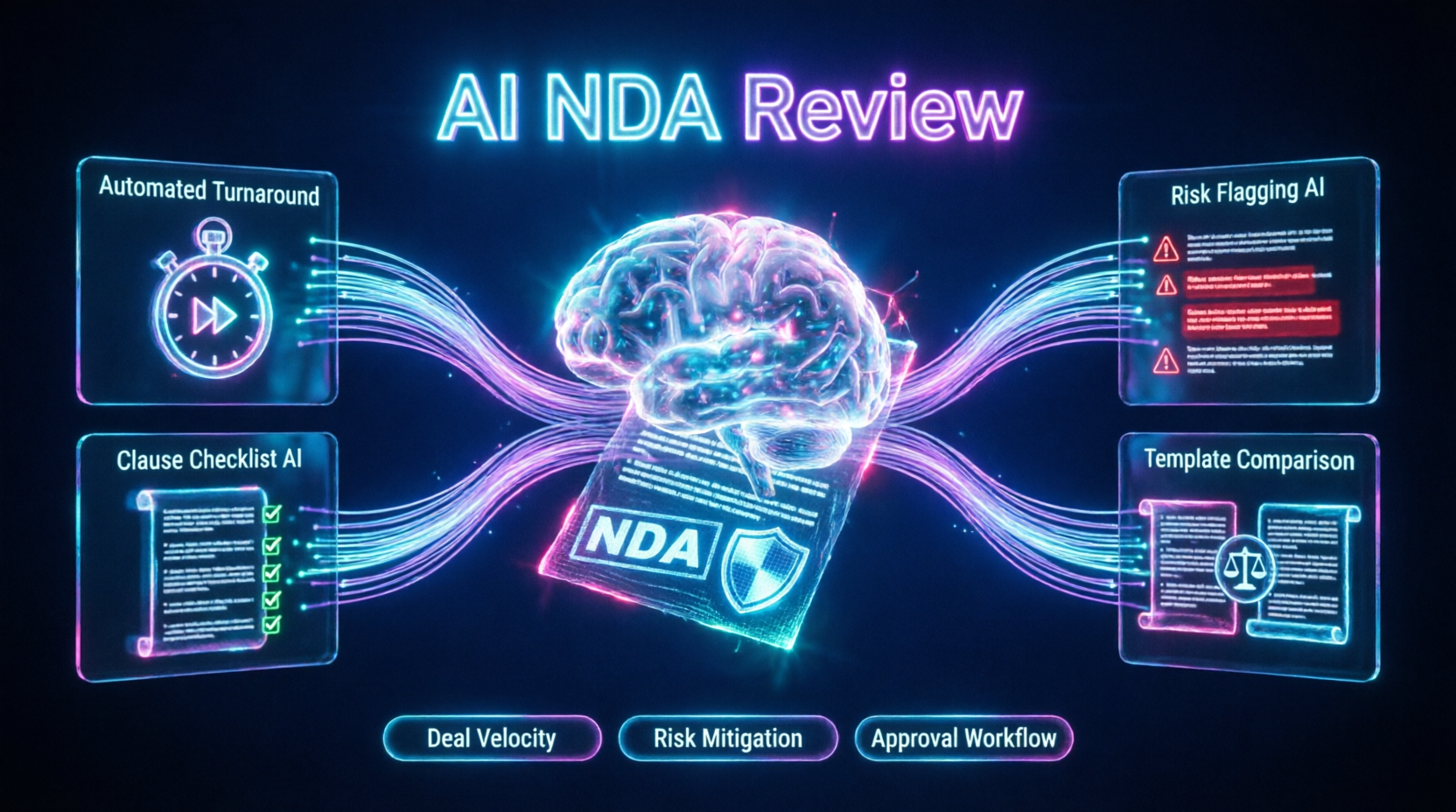
Step 1: Identify High-Volume, Repetitive Pain Points. Do not attempt to automate your most complex, novel legal work first. Start with high-volume, rule-based tasks. Ideal pilot programs include NDA reviews, standard vendor procurement agreements, or routine privilege logging. These use cases offer clear, measurable time savings.
Step 2: Ensure Data Security and Ethical Compliance. Legal professionals are bound by strict confidentiality and ethical obligations (e.g., ABA Model Rule 1.6 regarding client confidentiality). When evaluating AI for legal professionals, verify that the vendor offers enterprise-grade security, including end-to-end encryption, SOC 2 compliance, and a strict contractual guarantee that your client data will not be used to train public, shared AI models.
Step 3: Configure the AI to Your Playbook. An AI tool is only as good as its training. Work with your legal operations team to digitize your firm’s playbooks, preferred clauses, and risk tolerances. Upload historical, redlined contracts to train the model on your specific negotiation style and standards.
Step 4: Establish a Human-in-the-Loop (HITL) Workflow. AI is a co-pilot, not an autopilot. Design workflows where the AI performs the initial heavy lifting (extraction, flagging, summarizing), but a qualified attorney always makes the final judgment call. This “human-in-the-loop” approach ensures ethical compliance, maintains quality control, and builds trust in the technology among your legal team.
Step 5: Measure, Iterate, and Scale. Track key performance indicators (KPIs) during your pilot phase: time saved per document, accuracy rates, and user adoption metrics. Use this data to refine the AI’s configuration and build a business case for scaling the legal tech automation to more complex practice areas, such as M&A due diligence or complex litigation discovery.
6. Comprehensive Query Coverage
What is the primary benefit of AI for legal professionals? The primary benefit of AI for legal professionals is the dramatic reduction in time spent on manual, repetitive tasks like document review and contract abstraction. This allows attorneys to focus on high-value strategic counsel, improves accuracy by reducing human fatigue, and significantly lowers operational costs for both law firms and corporate legal departments.
How does legal document review software handle privilege? Modern legal document review software uses machine learning to identify patterns associated with privilege (e.g., emails between specific domains, presence of legal counsel in the CC line). It can automatically cluster these documents and draft preliminary privilege log entries, which human attorneys then verify, ensuring ethical compliance while saving massive amounts of time.
Can AI in law firms replace junior associates? No. AI in law firms does not replace lawyers; it augments them. By automating the rote, administrative aspects of document review and contract analysis, AI frees up junior associates to engage in higher-level legal reasoning, client interaction, and strategic negotiation, accelerating their professional development rather than eliminating their roles.
What should law firms look for in contract analysis tools for lawyers? When evaluating contract analysis for lawyers’ tools, prioritize platforms that offer seamless integration with your existing Contract Lifecycle Management (CLM) system, highly customizable playbook matching, robust security and data isolation guarantees, and an intuitive user interface that encourages attorney adoption.
Is legal tech automation secure enough for sensitive client data? Yes, when implemented correctly. Reputable legal tech automation providers design their platforms specifically for the legal industry, adhering to strict standards like SOC 2 Type II, GDPR, and CCPA. They offer private cloud or on-premises deployment options and contractually guarantee that client data remains isolated and is never used to train public AI models.
Conclusion
Embracing AI for legal professionals is no longer an optional technological upgrade; it is a fundamental requirement for any law firm or corporate legal department striving to remain competitive, efficient, and responsive in 2026. By moving beyond the limitations of manual review and leveraging the power of legal tech AI tools, legal teams can transform mountains of unstructured data into actionable, strategic intelligence.
Whether you are deploying legal document review software to accelerate eDiscovery, utilizing advanced contract analysis for lawyers to mitigate transactional risk, or implementing comprehensive legaltech automation to streamline your entire practice, success requires a thoughtful, phased approach. Prioritize data security, start with high-impact pilot programs, and always maintain a human-in-the-loop to ensure ethical and accurate outcomes.
As artificial intelligence continues to evolve, its ability to understand complex legal reasoning and predict case outcomes will only deepen. By proactively adopting these tools today, you position your legal practice at the absolute forefront of the modern legal revolution, delivering greater value to your clients and a more sustainable workflow for your team.