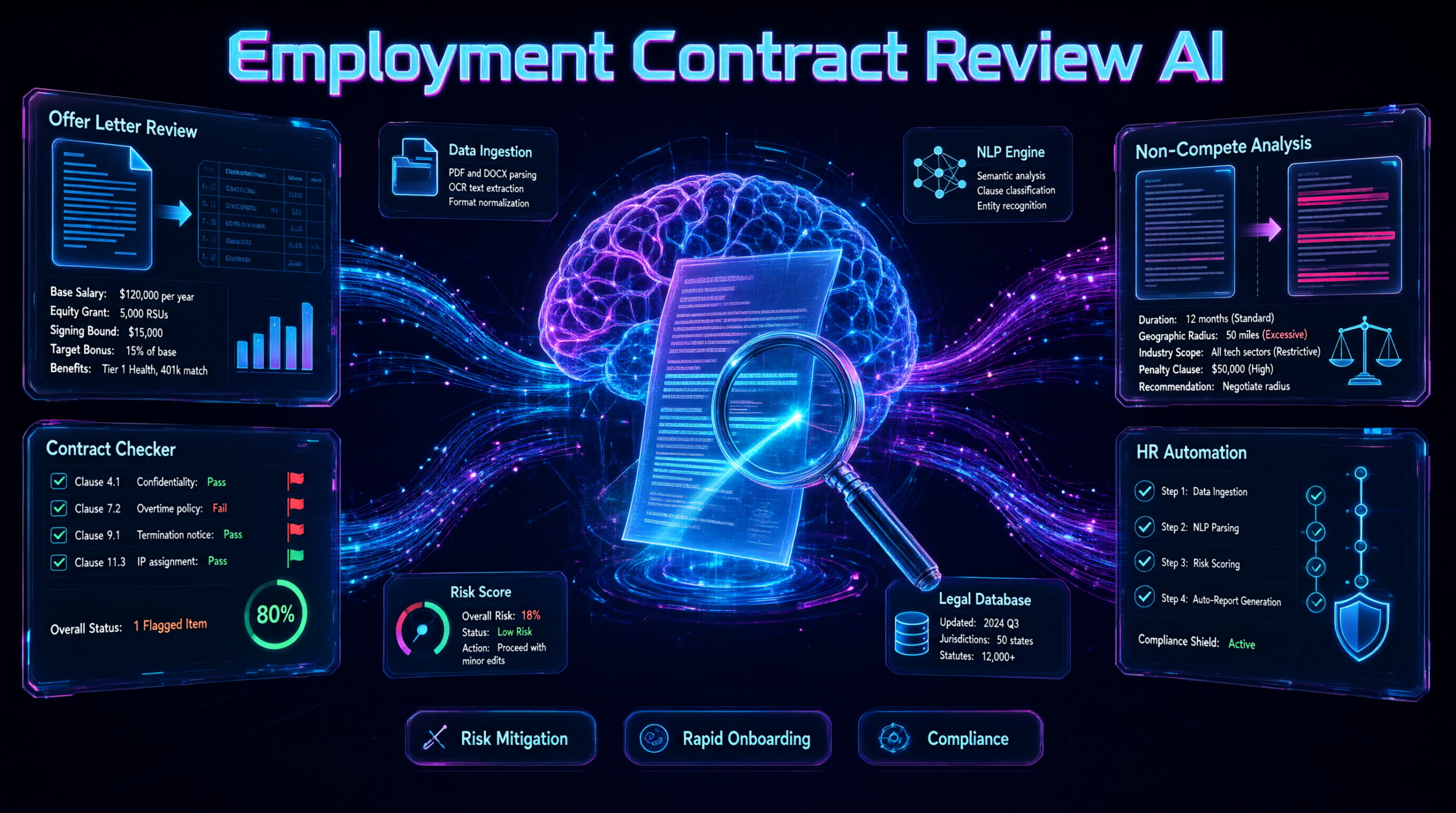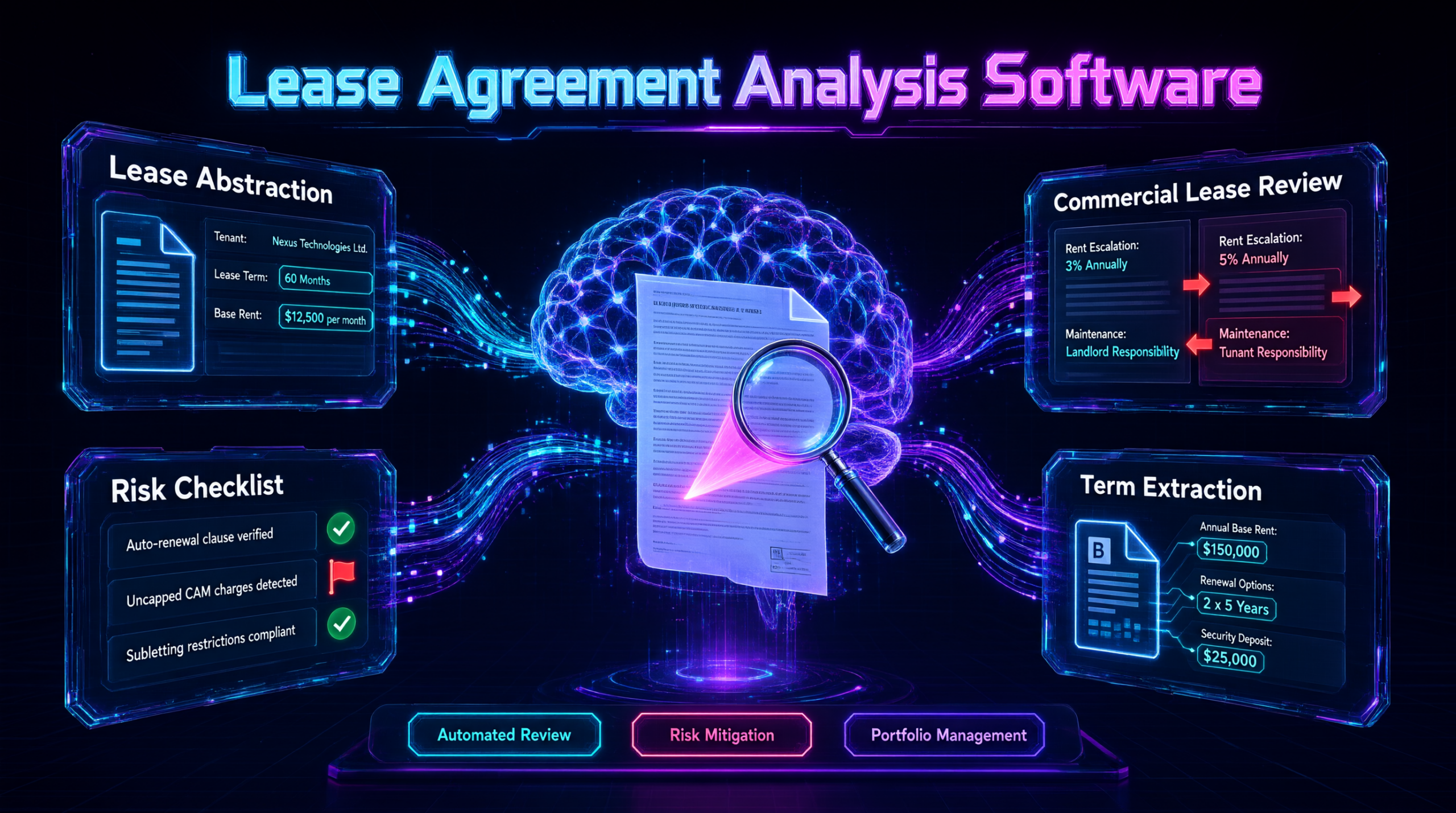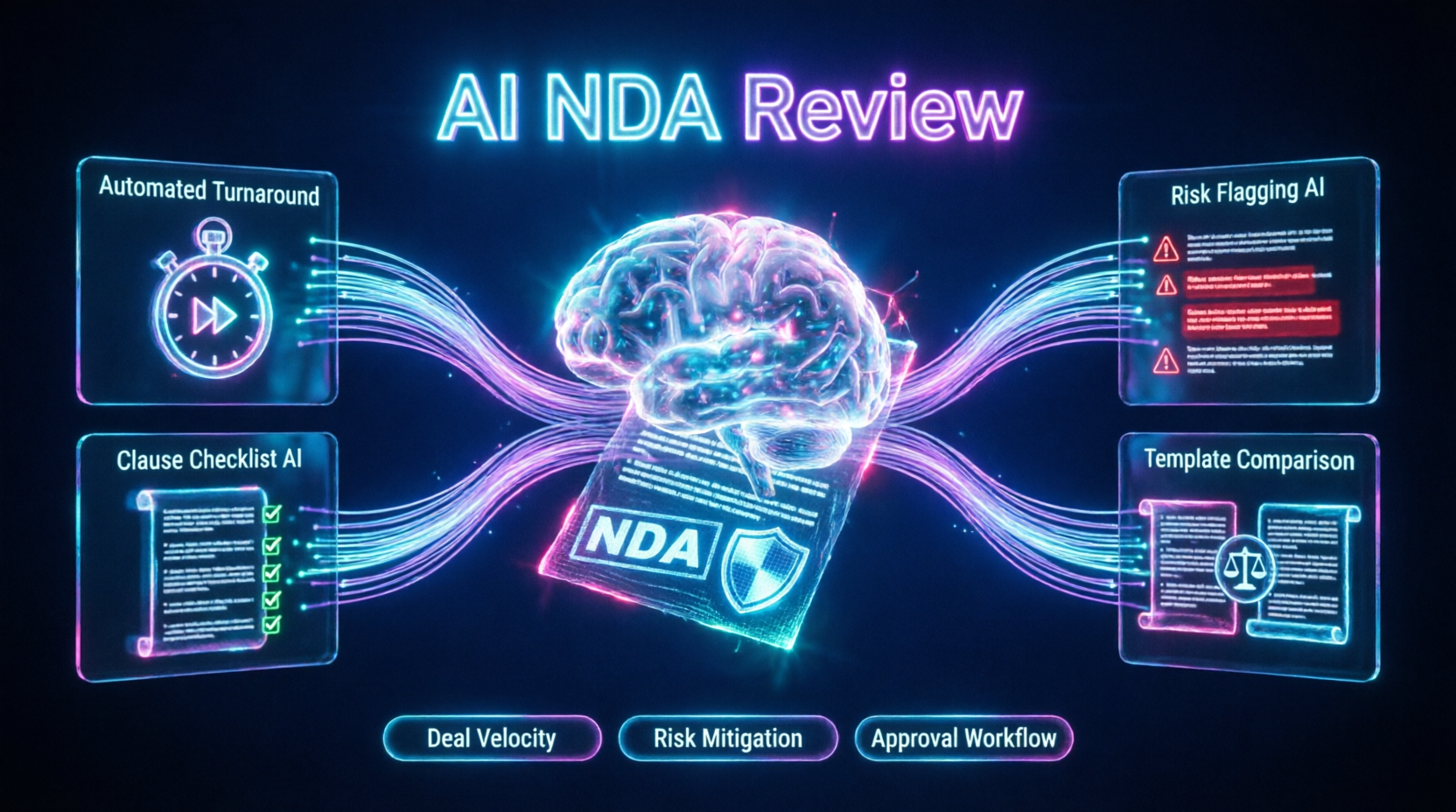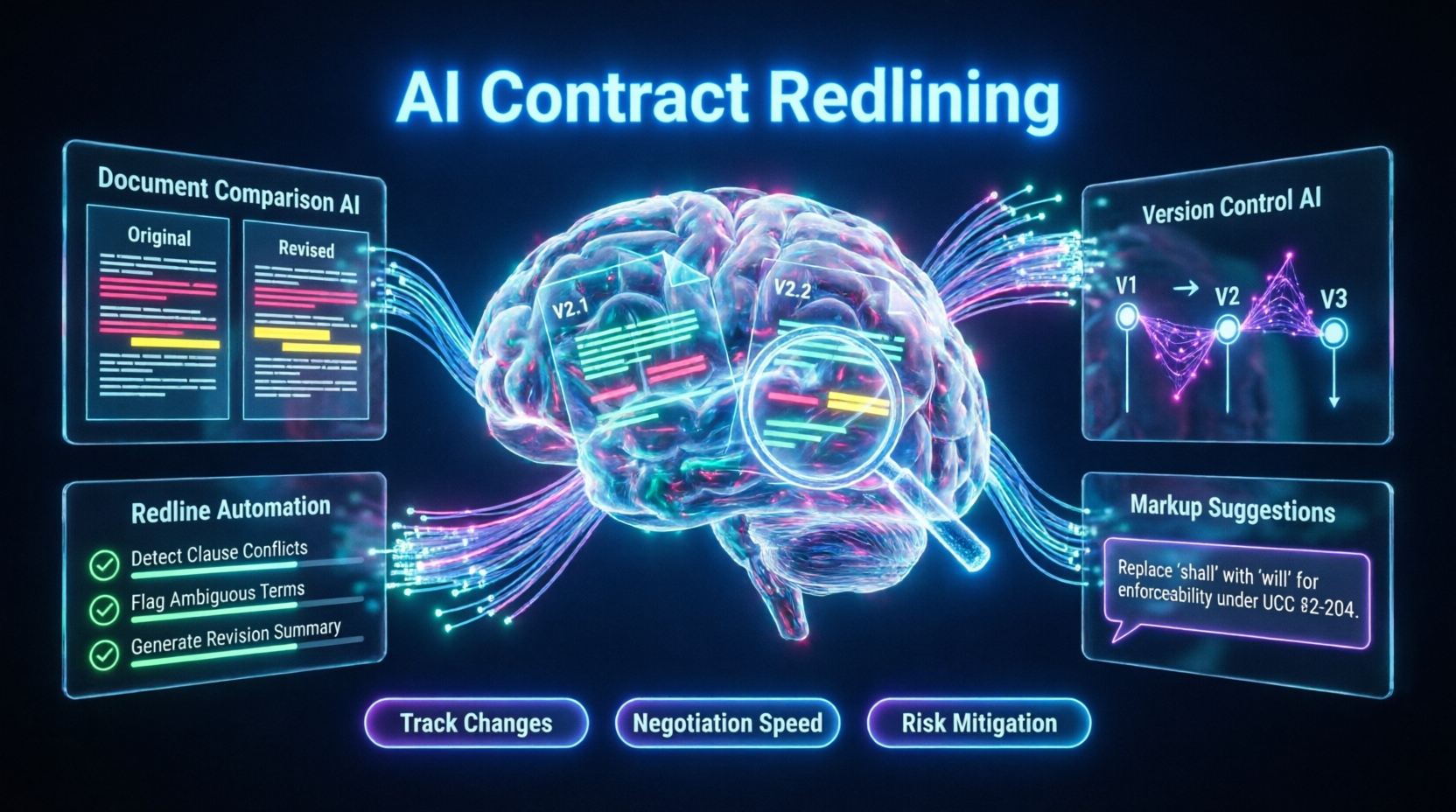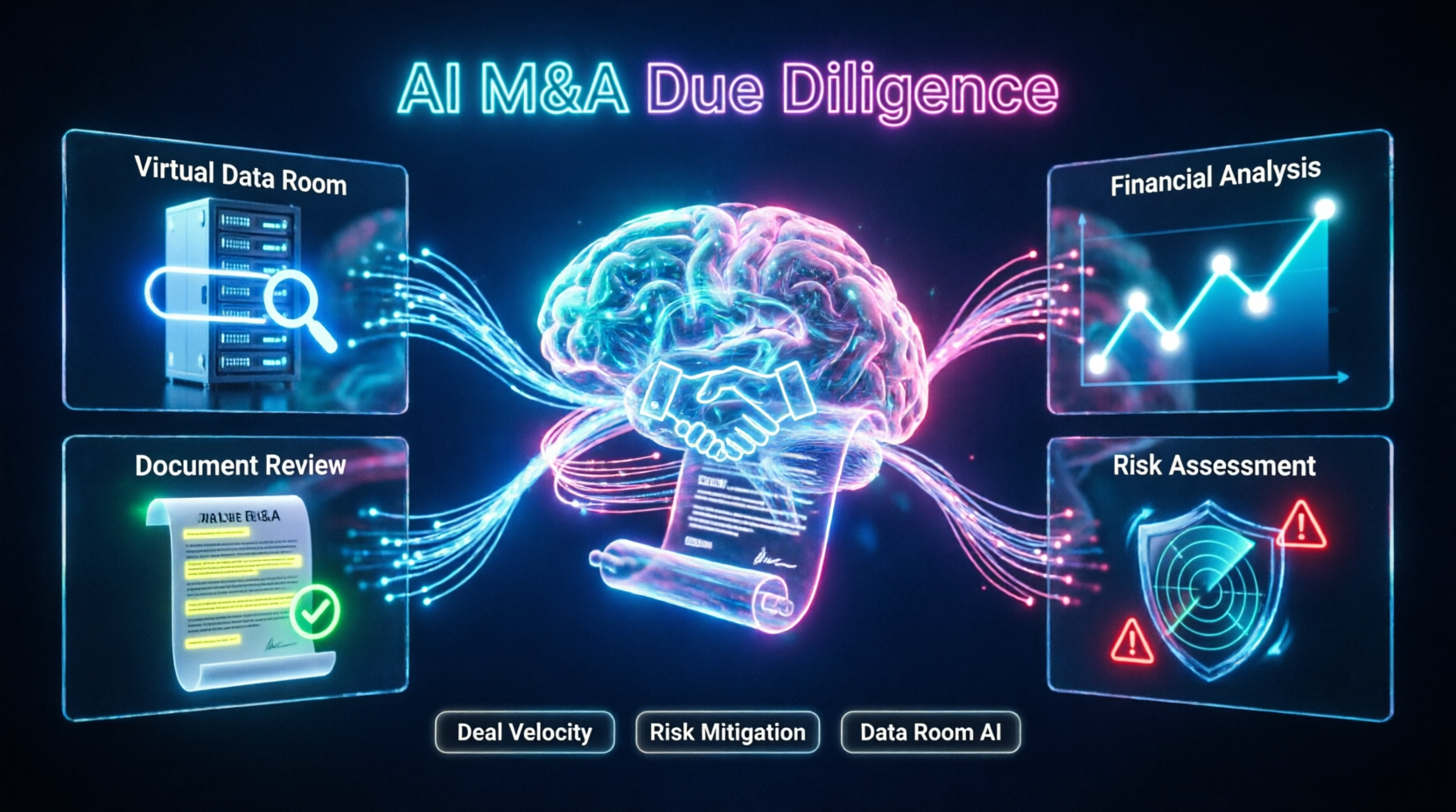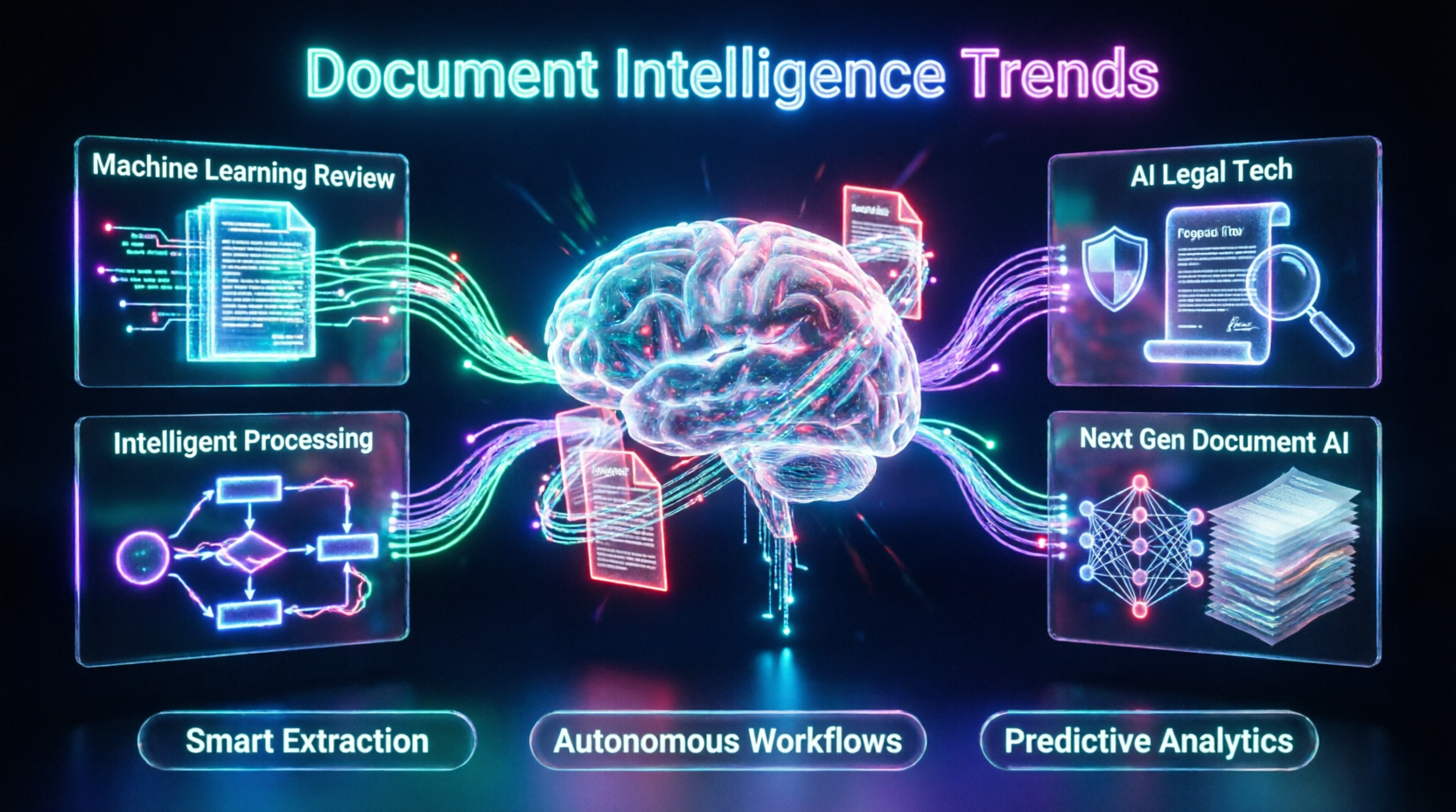
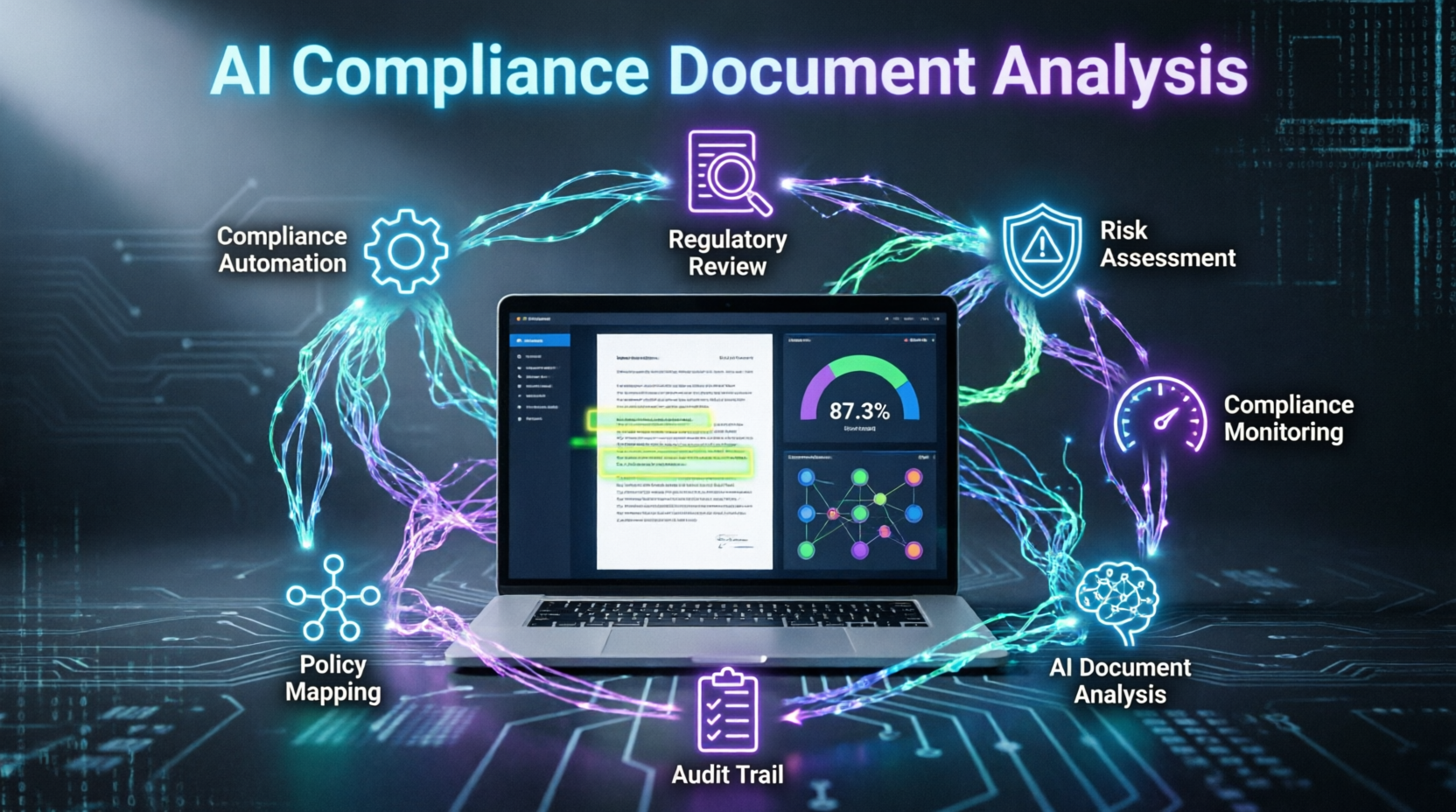
The AI compliance document analysis landscape has fundamentally transformed how corporate compliance teams, risk officers, and legal departments manage regulatory obligations in 2026. As global regulations multiply and document volumes explode, implementing a robust AI compliance document analysis system is no longer optional it is a strategic necessity to avoid catastrophic fines. However, navigating the complex ecosystem of compliance automation AI can be daunting for Chief Compliance Officers (CCOs). Whether you are monitoring GDPR adherence, tracking financial regulations, or ensuring healthcare compliance, understanding which document risk assessment tool delivers real value is essential for staying ahead of regulatory scrutiny.
This comprehensive guide reveals 7 powerful ways the best AI compliance document analysis solutions are revolutionizing corporate governance, providing detailed analysis of AI for regulatory document review, implementation strategies, and real-world use cases. By the end of this article, you will have a clear roadmap to selecting and deploying the right compliance team AI software that will accelerate your workflows and deliver measurable risk mitigation.
1. Understanding AI Compliance Document Analysis in 2026
To fully grasp the impact of modern AI compliance document analysis, we must first understand the fundamental shifts in regulatory technology (RegTech). According to ISACA’s AI Governance Framework, intelligent document processing is the primary driver of risk mitigation in the current economic cycle. The core capabilities of an AI compliance document analysis platform lie in its ability to combine natural language processing (NLP), machine learning, and regulatory knowledge graphs to read, understand, and map unstructured documents to specific compliance frameworks.
When organizations ignore the power of a modern AI compliance document analysis system, they risk severe regulatory breaches, massive fines, and reputational damage. Conversely, those who embrace these technologies find that compliance automation AI acts as a force multiplier for their risk teams. It is not about replacing compliance officers; it is about augmenting human expertise with machine-speed analysis. For a deeper understanding of how to instruct AI systems to work with complex regulatory texts, explore our comprehensive guide on How to Write AI Prompts.
2. Compliance Automation AI: Transforming Regulatory Workflows
One of the most immediate benefits of implementing AI compliance document analysis is the sheer efficiency gained through compliance automation AI. Traditional compliance workflows require officers to manually read every single page of a new regulatory update, cross-reference it with internal policies, and identify gaps. Compliance automation AI accomplishes this in seconds.
Key Capabilities of Compliance Automation:
- Instant mapping of new regulations to internal policy documents
- Automatic identification of policy gaps and required updates
- Continuous monitoring of regulatory feeds for changes
- Automated generation of compliance impact reports
- Cross-referencing obligations across global jurisdictions
According to industry benchmarks, compliance teams deploying compliance automation AI report an 80% reduction in time spent on regulatory triage. By implementing a robust AI compliance document analysis system, companies can process thousands of regulatory updates daily without adding headcount. To see how to integrate these automated workflows into your broader business strategy, review our detailed breakdown of AI Solutions for Business.
3. AI for Regulatory Document Review: Speed and Accuracy
Beyond simple automation, the most advanced AI compliance document analysis excels at AI for regulatory document review. This capability transforms the software from a passive reading tool into an active regulatory intelligence engine. AI for regulatory document review algorithms are trained on millions of legal and regulatory texts to identify nuanced compliance requirements and map them to specific business processes.
Critical Review Features:
- Multi-jurisdictional regulatory comparison (e.g., GDPR vs. CCPA vs. LGPD)
- Identification of conflicting internal policies
- Automatic extraction of compliance deadlines and reporting requirements
- Semantic search for specific regulatory concepts across vast document libraries
- Translation and analysis of foreign regulatory documents
When evaluating AI compliance document analysis for regulatory review, look for platforms that continuously update their regulatory knowledge graphs. You can set the AI for regulatory document review engine to automatically alert your team whenever a new regulation impacts your specific industry or geographic footprint. For technical teams building these custom regulatory workflows, our guide on AI Coding Prompts is an essential resource.
4. Document Risk Assessment Tool: Proactive Risk Mitigation
A common question for risk officers is the difference between a basic document repository and a modern document risk assessment tool. Traditional repositories simply store compliance documents and track version history. They cannot “read” or “understand” the risk posture embedded within the documents.
In contrast, a document risk assessment tool powered by AI compliance document analysis actively analyzes the content of policies, contracts, and operational documents. It understands the semantic meaning of the clauses, identifies risky language, and provides strategic risk insights.
Key Differences:
- Basic Repository: Stores documents, tracks signatures, sends review reminders.
- Document Risk Assessment Tool: Reads the document, extracts risk factors, detects policy violations, scores risk levels, and answers natural language questions about the document’s compliance posture.
When upgrading from legacy systems to a true document risk assessment tool, organizations typically see a 60% increase in proactive risk identification and a massive reduction in audit findings. This shift from simple storage to true risk intelligence enables downstream automation that was previously impossible. To optimize the search and retrieval of these risk assessments across your enterprise, many companies leverage platforms like Elastic AI-powered search.
5. Compliance Team AI Software: Enhancing Human Expertise
While automation handles the heavy lifting, compliance team AI software is designed to augment the strategic capabilities of human compliance officers. These platforms provide dashboards, analytics, and collaborative tools that help teams focus on high-value risk mitigation rather than manual document reading.
Impact on Compliance Operations:
- Dramatic reduction in time spent on manual policy reviews
- Faster turnaround times for compliance impact assessments
- Enhanced ability to handle complex, multi-jurisdictional audits
- Improved board reporting through automated compliance analytics
- Better collaboration between legal, compliance, and business units
According to regulatory technology adoption reports, organizations that integrate compliance team AI software into their operations see a 40% reduction in audit preparation time and significantly higher confidence during regulatory examinations. To ensure your compliance team is maximizing the value of these tools, explore our comprehensive guide on AI Tools Importance.
6. AI Compliance Monitoring 2026: Continuous Auditing
The future of corporate governance is continuous auditing, and AI compliance monitoring 2026 is at the forefront of this shift. Instead of relying on annual or quarterly manual audits, AI compliance monitoring 2026 platforms continuously scan internal communications, operational data, and document repositories to ensure ongoing adherence to policies and regulations.
Continuous Monitoring Features:
- Real-time scanning of employee communications for policy violations
- Automated analysis of financial transactions for compliance anomalies
- Continuous verification of vendor and third-party compliance documents
- Automated generation of continuous audit reports for regulators
- Predictive risk modeling to identify potential compliance breaches before they occur
By leveraging advanced AI compliance monitoring 2026, compliance teams can shift from reactive incident response to proactive risk prevention. This capability is a hallmark of the best AI compliance document analysis solutions in 2026, ensuring that organizations maintain a pristine compliance posture at all times.
7. Implementing AI Compliance Document Analysis Successfully
Selecting the right AI compliance document analysis platform is only the first step. Successful implementation requires strategic planning, data cleansing, and change management. The best AI compliance document analysis requires a comprehensive approach to integrate seamlessly into your existing governance frameworks.
Implementation Best Practices:
1. Centralize Your Regulatory Data: Before feeding your documents into a document risk assessment tool, ensure your regulatory library is centralized and up-to-date. The AI needs accurate, current regulatory texts to perform effective AI for regulatory document review.
2. Define Your Risk Appetite: Work with your executive team to explicitly define your organization’s risk appetite, compliance priorities, and mandatory regulatory frameworks. This data is the foundation of effective compliance automation AI.
3. Integrate with Your Tech Stack: Ensure your compliance team AI software integrates seamlessly with your GRC (Governance, Risk, and Compliance) platforms, HR systems, and communication tools.
4. Establish a Human-in-the-Loop Protocol: While AI compliance monitoring 2026 is highly accurate, regulatory judgment is still required. Establish clear protocols for when the AI’s risk assessments must be escalated to a human compliance officer for final validation.
To ensure your broader document workflows are optimized alongside your compliance management, explore our guides on AI Document Analysis Platform, AI eDiscovery, and AI contract review software.
Comprehensive Query Coverage
What is the best AI compliance document analysis software for small businesses? For small businesses and mid-market companies, the best AI compliance document analysis options include cloud-based RegTech platforms with pay-as-you-go pricing and intuitive interfaces. These solutions offer enterprise-grade compliance automation AI and basic document risk assessment tool capabilities without the need for dedicated IT support or massive upfront enterprise investments.
How accurate is AI for regulatory document review compared to manual analysis? Multiple studies show that top-tier AI for regulatory document review achieves 90-95% accuracy in mapping regulations to internal policies and identifying compliance gaps. Compliance automation AI is particularly effective at catching subtle regulatory nuances across multiple jurisdictions, though human compliance officer oversight remains essential for final strategic decisions and regulatory filings.
Can a document risk assessment tool replace a traditional GRC platform? Yes, a modern document risk assessment tool is rapidly enhancing and, in some cases, replacing traditional GRC modules. While legacy GRCs only track compliance tasks and store documents, a document risk assessment tool powered by AI compliance document analysis actively reads, analyzes, and scores the risk within the documents, providing a much higher ROI.
How do compliance team AI software solutions handle data privacy? Top-tier compliance team AI software employs enterprise-grade security, including end-to-end encryption, strict role-based access controls, and zero-data-retention policies (meaning the AI does not learn from your specific internal policies). When selecting AI compliance document analysis platforms, always verify their data privacy architecture to protect sensitive corporate governance data.
What is the difference between AI compliance document analysis and AI contract review software? While both utilize similar underlying NLP and machine learning technologies, AI compliance document analysis is designed for mapping internal policies and operational documents to external regulatory frameworks. In contrast, AI contract review software is designed for analyzing legal agreements, identifying liability risks, and accelerating contract negotiations.
Where can I find more resources on compliance automation AI? Beyond this guide, explore the AI Directory for curated lists of RegTech platforms, and check out our guides on Best Free AI Tools for Productivity and AI Agents vs AI Tools for maximizing your compliance technology stack.
Conclusion
The AI compliance document analysis revolution in 2026 is defined by unprecedented accuracy, proactive risk mitigation, and continuous auditing capabilities. By understanding the core capabilities of AI compliance document analysis, leveraging compliance automation AI for speed, deploying AI for regulatory document review to map complex regulations, upgrading to a document risk assessment tool, utilizing compliance team AI software to enhance human expertise, and adopting AI compliance monitoring 20