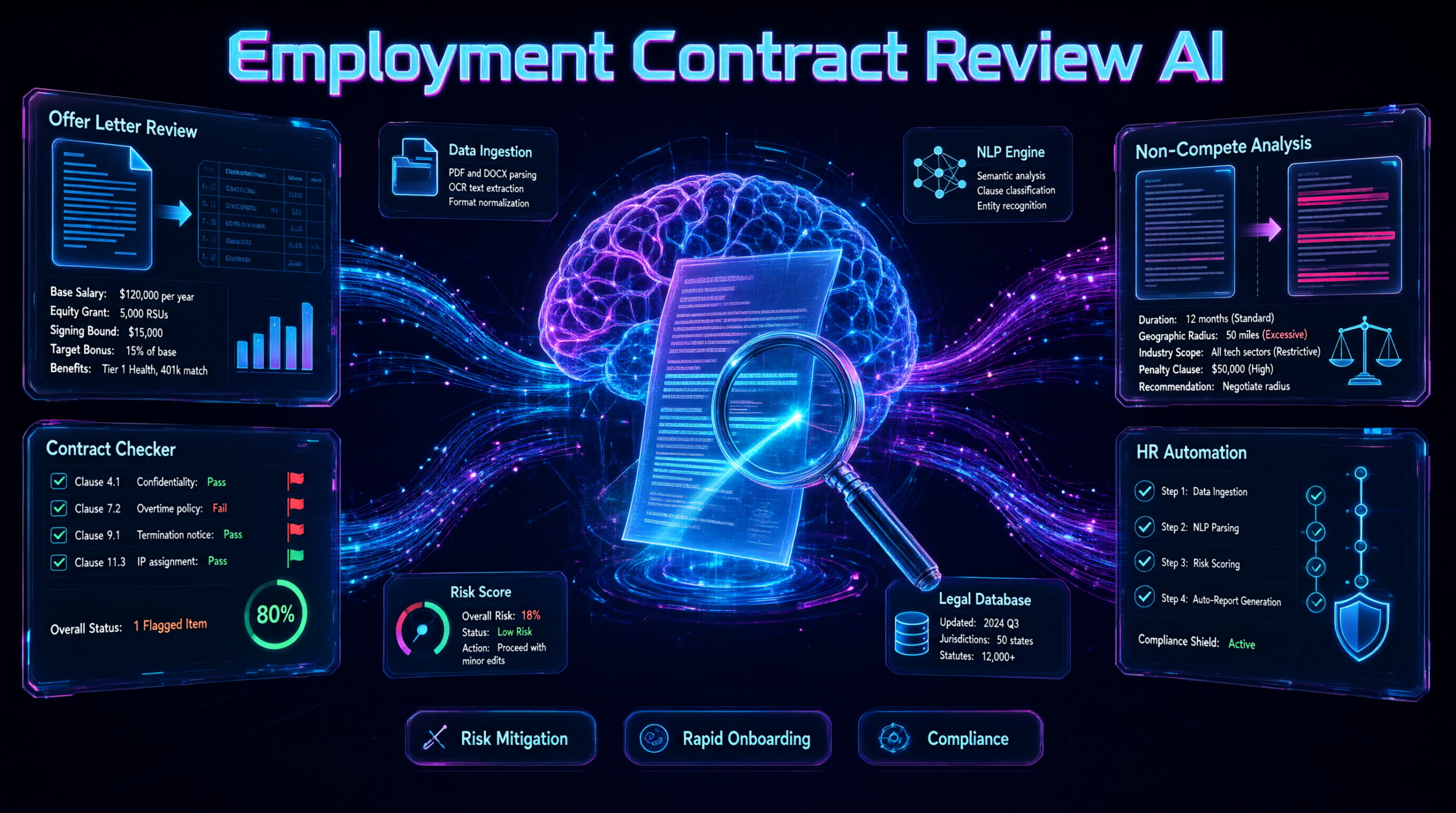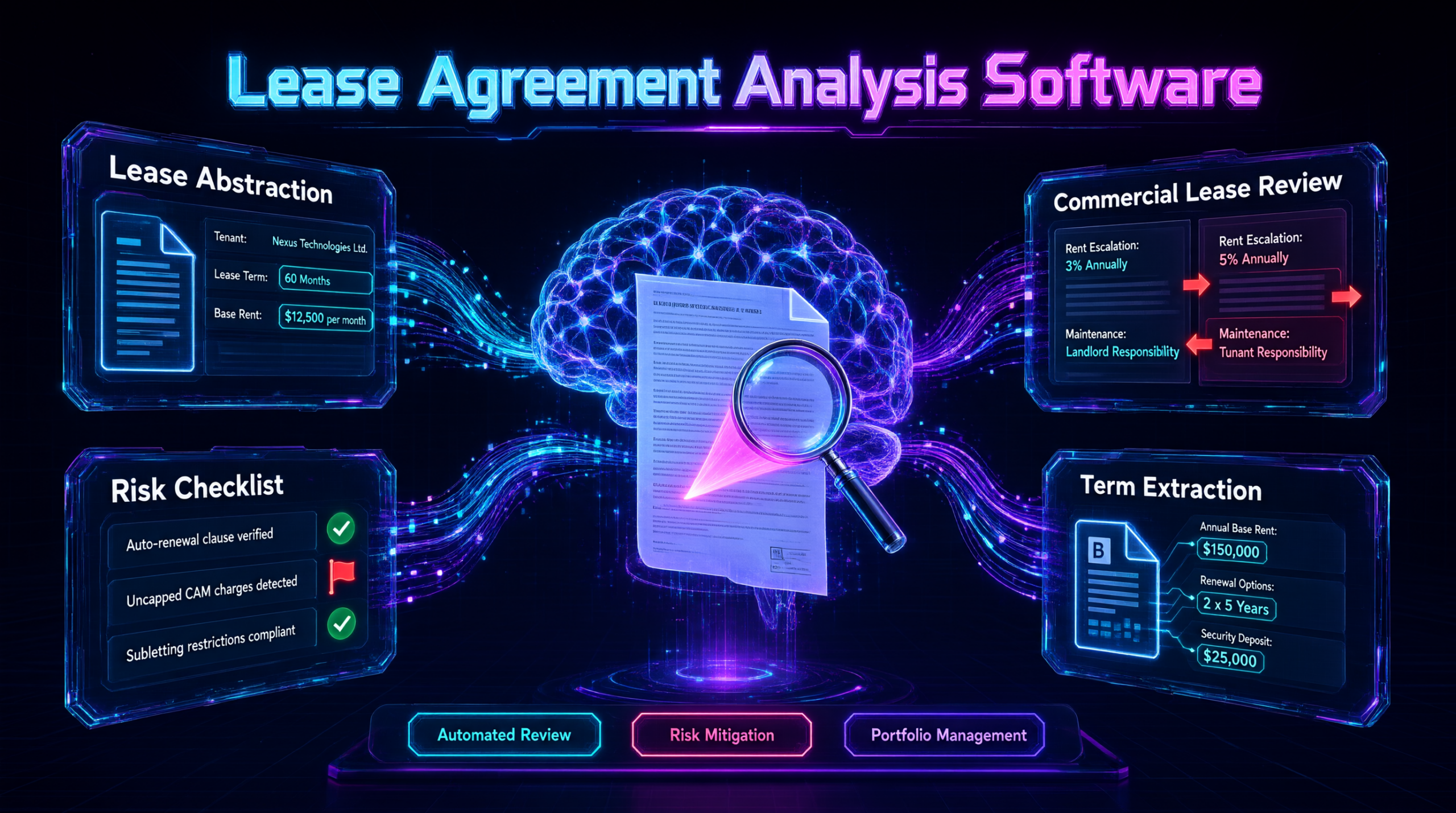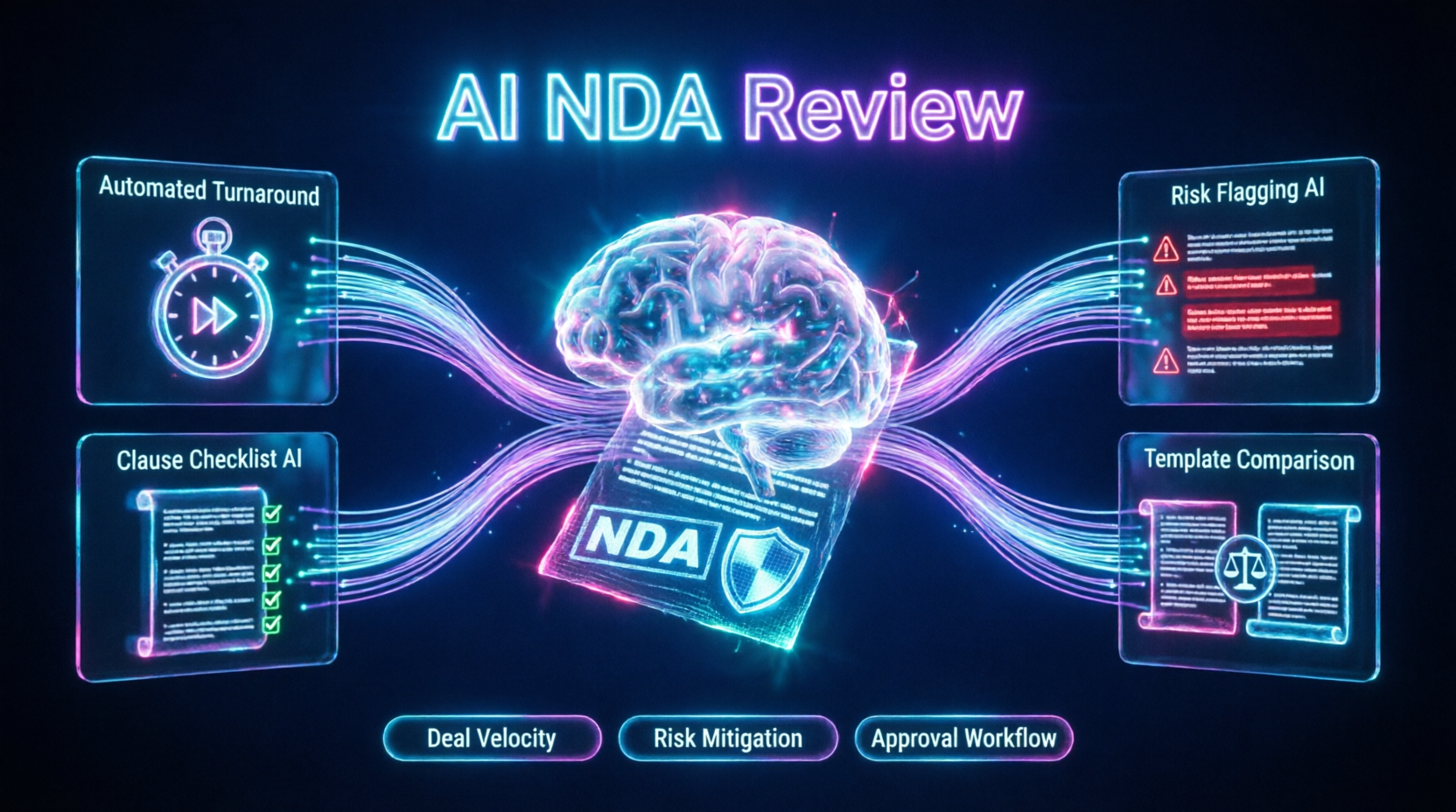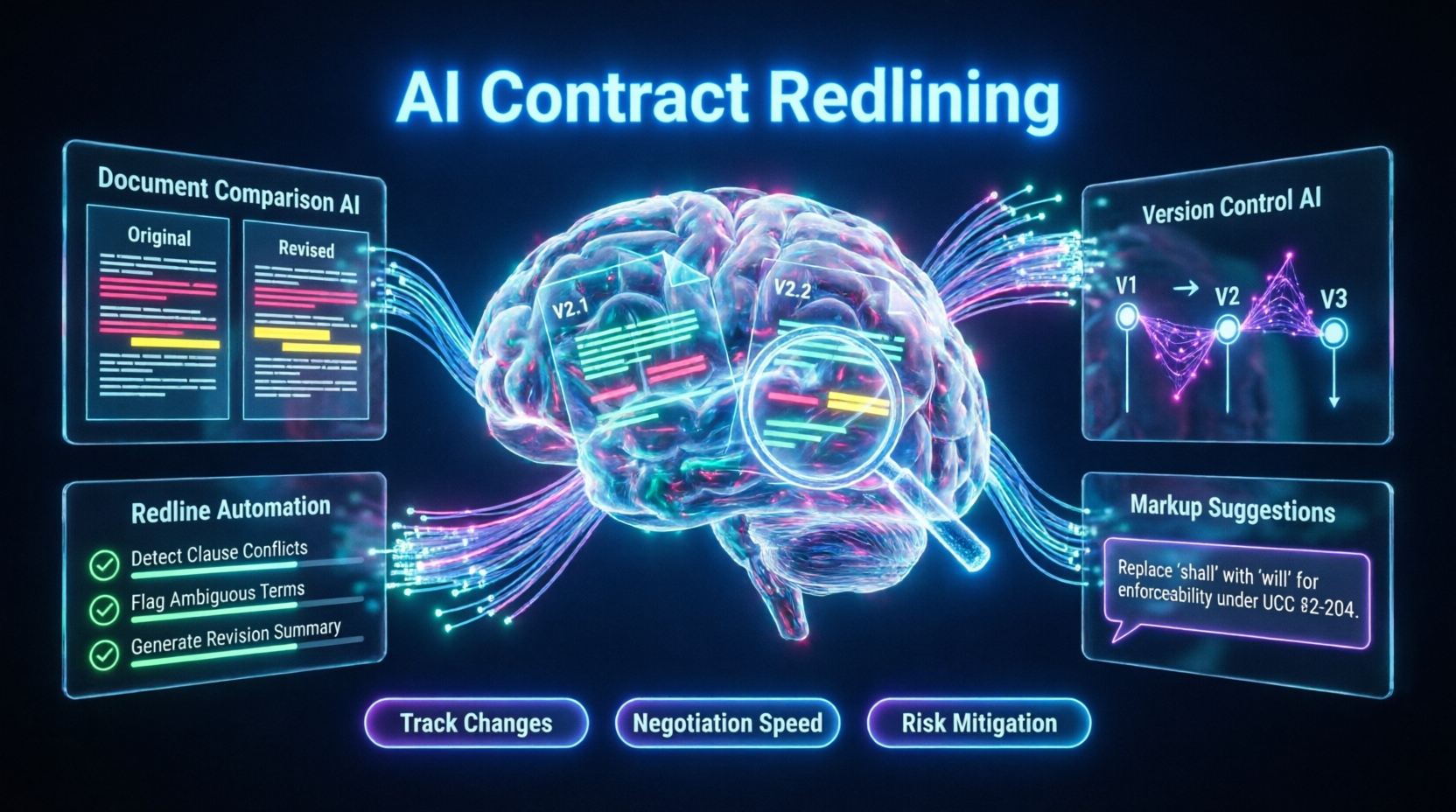
The debate of AI document analysis vs manual document review has become the defining operational challenge for enterprises, law firms, and financial institutions in 2026. As data volumes explode and regulatory pressures mount, organizations are being forced to choose between traditional human-centric workflows and next-generation cognitive automation. However, navigating the complexities of AI document analysis vs manual document review can be daunting for operations leaders and managing partners. Whether you are trying to accelerate M&A due diligence, streamline accounts payable, or ensure compliance across thousands of vendor agreements, understanding the true differences between these two methodologies is essential for protecting your bottom line and maintaining a competitive edge.
This comprehensive guide explores the 5 critical differences in the AI document analysis vs manual document review landscape, providing detailed analysis of document review accuracy, AI document speed, and the hidden cost of manual document review. By the end of this article, you will have a clear, data-driven roadmap to deciding when to deploy automated contract review and when to rely on human expertise, ultimately building a hybrid workflow that delivers maximum ROI.
1. Understanding AI Document Analysis vs Manual Document Review in 2026
To fully grasp the operational impact of AI document analysis vs manual document review, we must first define the fundamental mechanics of both approaches in the modern enterprise. Manual document review relies entirely on human cognition—paralegals, auditors, or data entry clerks reading documents line-by-line to extract data, identify risks, or classify information. While humans excel at nuanced judgment and handling unprecedented edge cases, this approach is inherently linear, unscalable, and prone to fatigue.
In contrast, AI document analysis vs manual document review represents a shift from linear human effort to exponential machine processing. Modern AI document analysis utilizes Large Language Models (LLMs), computer vision, and Natural Language Processing (NLP) to ingest, read, and understand the semantic context of unstructured documents simultaneously. According to Deloitte’s Insights on Intelligent Automation, organizations that transition from manual to AI-driven document workflows achieve up to a 60% reduction in operational costs while simultaneously improving compliance outcomes. The core of AI document analysis vs manual document review is not about entirely replacing humans, but about reallocating human intellect from mundane data extraction to high-value strategic decision-making. For a deeper understanding of how to instruct these AI systems to handle complex extraction tasks, explore our comprehensive guide on How to Write AI Prompts.
2. Manual vs Automated Review: The Shift in Enterprise Workflows
When evaluating manual vs automated review, the most immediate difference lies in workflow architecture and scalability. In a manual vs automated review scenario, traditional workflows require a massive scaling of headcount to handle seasonal spikes—such as end-of-year financial audits, open enrollment periods, or sudden surges in supply chain invoices.
The Limitations of Manual Workflows:
- Bottleneck Creation: Every document must wait in a queue for an available human reviewer.
- Inconsistent Onboarding: Training new temporary staff on complex compliance rules takes weeks and introduces high error rates.
- Siloed Data: Extracted data often lives in disparate spreadsheets or local drives, making enterprise-wide analytics nearly impossible.
The Power of Automated Workflows:
- Infinite Scalability: An AI system can process 10 documents or 10,000 documents in the same timeframe by leveraging cloud computing elasticity.
- Instant Deployment: Once an AI model is trained or fine-tuned on your specific document types, it can be deployed globally across all departments instantly.
- Structured Data Outputs: Automated review instantly converts unstructured PDFs into structured JSON or CSV formats, ready to be ingested by your ERP or CRM.
By shifting from manual vs automated review paradigms, businesses transform their document processing from a reactive cost center into a proactive, data-generating asset. To see how these automated workflows integrate into broader enterprise growth strategies, review our detailed breakdown of AI Solutions for Business.
3. AI vs Human Document Review: Evaluating Document Review Accuracy
The most hotly contested battleground in the AI document analysis vs manual document review debate is document review accuracy. Historically, humans were considered the gold standard for accuracy. However, decades of cognitive research have proven that human accuracy degrades significantly over time due to fatigue, distraction, and cognitive bias.
When conducting a direct AI vs human document review comparison, the metrics tell a compelling story:
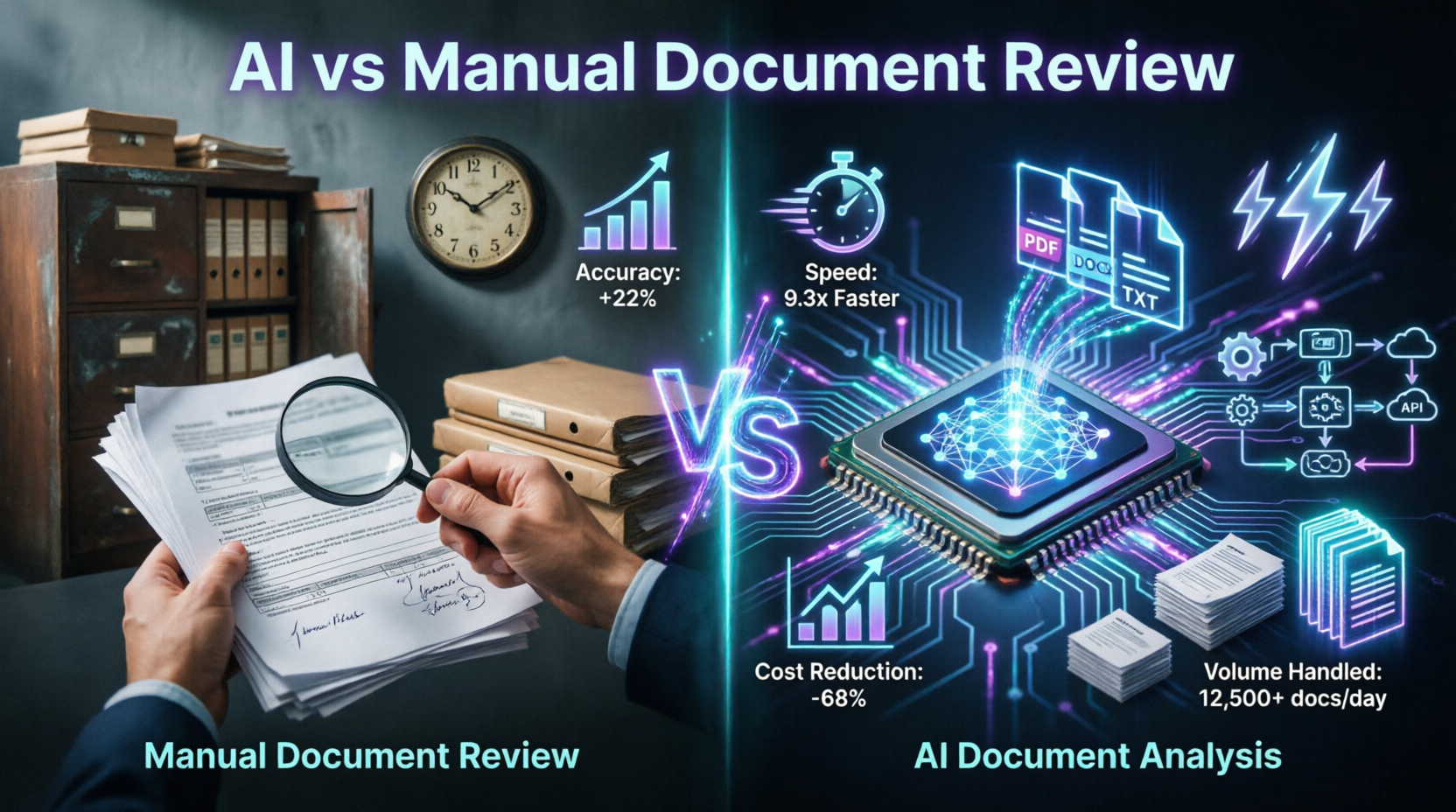
- Human Baseline: Studies consistently show that human reviewers performing repetitive data extraction or contract review tasks maintain an accuracy rate of roughly 60% to 80%. The “2 PM slump” and eye strain lead to missed clauses and transposed numbers.
- AI Baseline: Top-tier AI document analysis platforms maintain a consistent document review accuracy rate of 95% to 99% on standardized documents, regardless of whether it is processing the first page or the millionth page at 3 AM.
However, AI vs human document review is not a zero-sum game. AI can occasionally “hallucinate” or misinterpret highly ambiguous, poorly formatted, or entirely novel legal clauses that it has never seen in its training data. Therefore, the ultimate standard for document review accuracy is a “Human-in-the-Loop” (HITL) model. The AI handles the bulk extraction with 98% accuracy, and human experts only review the 2% of low-confidence exceptions. This hybrid approach yields a final accuracy rate of 99.9%, far surpassing what either humans or AI could achieve in isolation. For technical teams building these high-accuracy HITL pipelines, our guide on AI Coding Prompts is an essential resource.
4. AI Document Speed and the True Cost of Manual Document Review
Speed and cost are the primary drivers for enterprise adoption when weighing AI document analysis vs manual document review. AI document speed is measured in milliseconds per page, whereas human speed is measured in minutes or hours per page.
The Reality of AI Document Speed: An experienced human paralegal might take 45 minutes to thoroughly review and abstract a standard 20-page commercial lease. An AI document analysis engine can ingest, classify, extract the key dates, flag the indemnification clauses, and route the data to your property management software in under 3 seconds. This exponential AI document speed compresses project timelines from months to days, allowing businesses to close deals faster and recognize revenue sooner.
The Hidden Cost of Manual Document Review: When calculating the cost of manual document review, organizations often only look at the hourly wage of the employee. This is a critical miscalculation. The true cost of manual document review includes:
- Recruitment and Training: The high cost of hiring and onboarding specialized reviewers (like licensed attorneys or certified auditors).
- Error Remediation: The massive financial penalties, compliance fines, or lost early-payment discounts that result from human data-entry errors.
- Opportunity Cost: The revenue lost because your highest-paid experts are spending 70% of their week copy-pasting data from PDFs instead of advising clients or strategizing.
- Employee Turnover: Manual document review is tedious and leads to high burnout rates, resulting in constant, expensive churn.
When you factor in these hidden variables, the cost of manual document review is often 5x to 10x higher than the licensing cost of an enterprise AI platform. To optimize the search and retrieval of these machine-extracted insights across your enterprise, many companies leverage platforms like Elastic AI-powered search.
5. The Rise of Automated Contract Review and Specialized Use Cases
Nowhere is the AI document analysis vs manual document review debate more critical than in the legal and procurement sectors through the lens of automated contract review. Contracts are dense, highly nuanced, and carry massive financial and legal liabilities.
How Automated Contract Review is Changing the Game:
- Playbook Enforcement: Automated contract review tools can be ingested with your company’s specific legal playbook. When a vendor sends a redlined Master Services Agreement (MSA), the AI instantly compares it against your acceptable risk thresholds, automatically drafting redlines for non-compliant clauses.
- Obligation Management: Instead of a human manually entering renewal dates into a calendar, automated contract review extracts these dates and pushes them directly into your CRM, triggering automated alerts 90 days before a contract auto-renews.
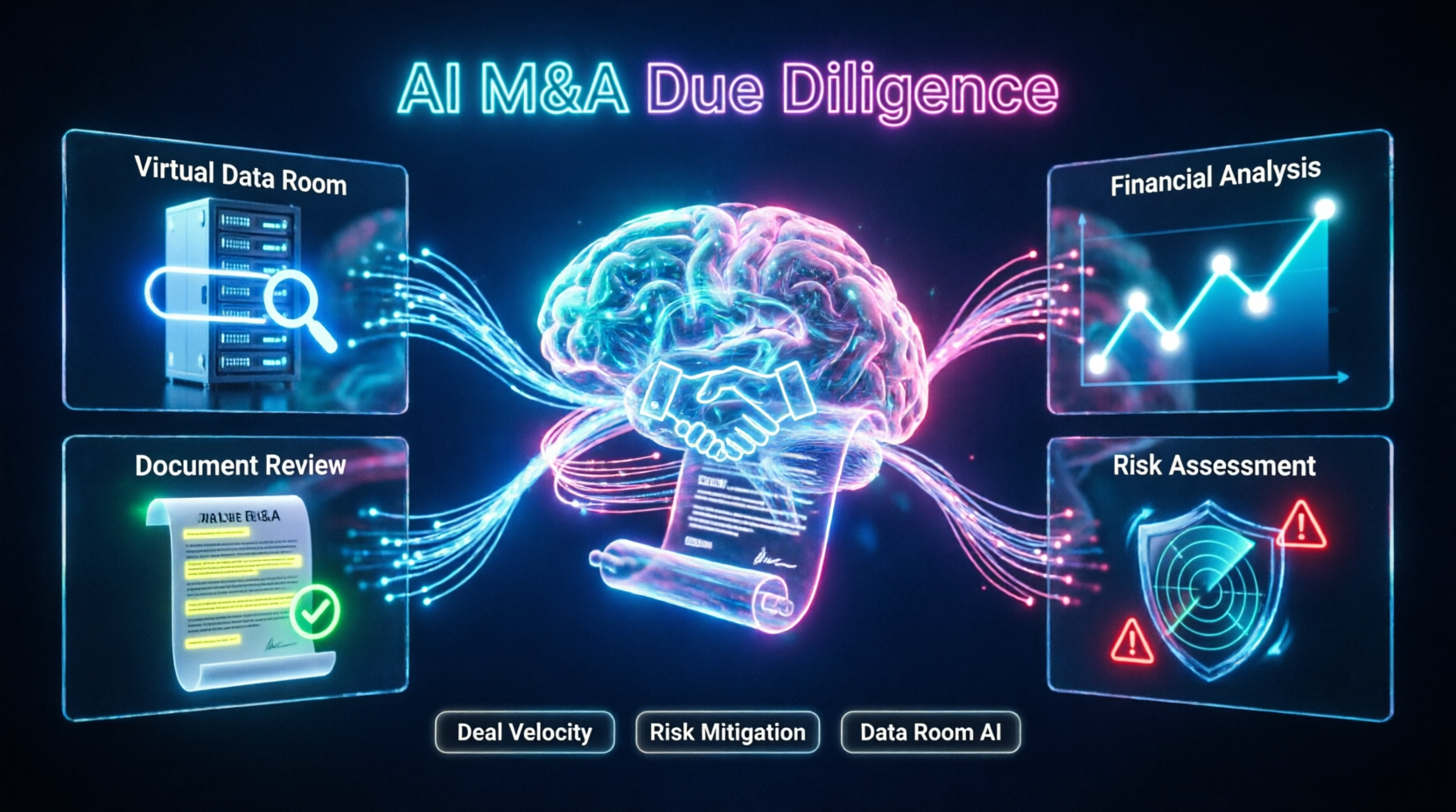
- M&A Due Diligence: In mergers and acquisitions, buyers must review thousands of target company contracts to identify change-of-control clauses or hidden liabilities. What used to require a “war room” of 50 junior associates working 80-hour weeks for a month can now be accomplished by AI in a single weekend.
While automated contract review handles the heavy lifting of data extraction and initial risk flagging, human attorneys are freed up to focus on the actual negotiation, relationship management, and strategic structuring of the deal. This is the ultimate realization of the AI document analysis vs manual document review promise: machines do the reading, humans do the reasoning. To discover the best platforms for these specialized legal tasks, check out our guide on the Best AI Prompt Libraries 2026.
Comprehensive Query Coverage
What are the main differences in AI document analysis vs manual document review? The primary differences in AI document analysis vs manual document review revolve around speed, scalability, and consistency. AI processes documents in milliseconds with unwavering consistency, while manual review is slow, linear, and subject to human fatigue and cognitive bias. However, humans still outperform AI in handling highly ambiguous edge cases and complex strategic negotiations.
How does AI vs human document review impact overall accuracy? In the AI vs human document review comparison, AI consistently achieves higher baseline accuracy (95-99%) on standardized, repetitive tasks because it does not suffer from fatigue. Humans typically average 60-80% accuracy on high-volume manual extraction. The highest document review accuracy is achieved through a hybrid “Human-in-the-Loop” model, where AI does the bulk work and humans verify low-confidence exceptions.
What is the true cost of manual document review for enterprises? The cost of manual document review extends far beyond employee hourly wages. It includes the hidden costs of recruitment, training, high turnover due to burnout, error remediation, compliance fines, and the massive opportunity cost of having highly paid experts perform mundane data entry instead of strategic work.
How much faster is AI document speed compared to human reviewers? AI document speed is exponentially faster. While a human might take 30 to 60 minutes to review and abstract a complex 20-page contract or invoice, AI document speed allows the system to ingest, analyze, and extract the same data in under 5 seconds. This compresses project timelines from weeks to hours.
Is automated contract review safe for highly sensitive legal documents? Yes, enterprise-grade automated contract review platforms are built with security-first architectures. They utilize end-to-end encryption, private cloud or on-premise deployment options, and zero-data-retention policies to ensure that your sensitive legal data is not used to train public AI models. They also comply with strict frameworks like SOC 2 and GDPR.
Conclusion
The transition from legacy workflows to intelligent automation is no longer a futuristic concept; it is the current standard for operational excellence. By thoroughly evaluating AI document analysis vs manual document review, organizations can make data-driven decisions that protect their bottom line and accelerate their growth. Understanding the shift from manual vs automated review, recognizing the superior document review accuracy of AI-augmented teams, leveraging exponential AI document speed, eliminating the hidden cost of manual document review, and deploying automated contract review for legal operations are the foundational steps to modernizing your enterprise.
As you navigate the AI vs human document review landscape, remember that the goal is not to eliminate the human element, but to elevate it. By offloading the tedious, high-volume reading and data extraction to AI, you empower your human workforce to focus on strategy, negotiation, and innovation—the very tasks that drive true business value.