
Navigating the modern information landscape requires mastering AI document summarization, a transformative capability that allows professionals to extract critical insights from massive volumes of text in seconds. In an era where knowledge workers are inundated with endless reports, contracts, and research papers, manually reading every page is no longer a viable strategy for maintaining productivity and competitive advantage. Today, forward-thinking enterprises and researchers are leveraging advanced natural language processing (NLP) and large language models (LLMs) to instantly distill complex information into actionable intelligence. If you are looking to understand exactly how to deploy these tools to save hundreds of hours annually, you are in the right place.
This comprehensive guide demystifies the technology behind automated reading. We will explore the core mechanics of automatic text summarization, detail the essential features of a modern document summary tool, and provide a strategic blueprint for how to summarize PDFs with AI. By the end of this article, you will have a clear, actionable framework for generating highly accurate AI report summaries, learning how to effectively condense long documents, and integrating these capabilities into your daily workflow.
1. The Information Overload Crisis: Why AI Document Summarization Matters
Historically, staying informed in any professional field meant dedicating hours each week to reading industry reports, legal briefs, academic papers, and internal memos. As digital transformation accelerates, the volume of unstructured text generated by organizations has grown exponentially. According to industry research, the average knowledge worker spends nearly 30% of their workweek just searching for and reading information. This “information overload” leads to decision fatigue, missed critical details, and severe bottlenecks in operational velocity.
The integration of AI document summarization represents a quantum leap in knowledge management. Unlike traditional skimming or keyword searching, which often misses the underlying context and nuanced arguments of a text, modern AI understands the semantic meaning of the content. It can identify the core thesis, extract supporting evidence, and highlight critical action items. By deploying a robust document summary tool, organizations can reduce reading time by up to 80%, ensuring that human intellect is focused on strategic decision-making and creative problem-solving rather than rote data consumption.
2. The Core Mechanics: How Automatic Text Summarization Works
To leverage these tools effectively, it is essential to understand the underlying technology of automatic text summarization. The process relies on sophisticated machine learning models, primarily Transformers, which have revolutionized how machines understand human language.
Extractive vs. Abstractive Summarization: There are two primary approaches to automatic text summarization:
- Extractive Summarization: This method analyzes the text to identify the most important sentences or phrases based on word frequency, sentence positioning, and semantic similarity. It then extracts these exact sentences and stitches them together to form a summary. While highly accurate to the original text, it can sometimes feel disjointed.
- Abstractive Summarization: This is the hallmark of modern generative AI. Instead of just copying sentences, the AI reads the document, comprehends the underlying concepts, and generates entirely new sentences that capture the core meaning. This results in a much more fluent, coherent, and human-like summary, though it requires highly advanced large language models (LLMs) to avoid hallucinations.
The Role of Context Windows and Chunking: When you use AI to condense long documents, the model must process the text within its “context window” (the amount of text it can “remember” at one time). For documents that exceed this limit, advanced tools use a technique called “chunking” or “map-reduce.” The AI breaks the document into smaller sections, summarizes each section individually (map), and then synthesizes those individual summaries into one final, cohesive overview (reduce).
3. Key Capabilities of a Modern Document Summary Tool
Not all AI tools are created equal. When evaluating a document summary tool for enterprise or academic use, look for these critical capabilities:
Multi-Format Ingestion and OCR: A top-tier tool must handle more than just plain text. It should seamlessly ingest PDFs, Word documents, EPUBs, and even scanned images. For scanned documents, the tool must integrate Optical Character Recognition (OCR) to convert visual text into machine-readable data before summarizing it.
Customizable Output Parameters: Different scenarios require different summary formats. The best tools allow users to specify the desired length (e.g., “summarize in 3 bullet points” vs. “write a 500-word executive summary”), the target audience (e.g., “explain like I’m 5” vs. “summarize for a PhD candidate”), and the specific focus (e.g., “extract only the financial risks”).
Interactive Chat and Q&A: Beyond static summaries, modern tools offer a conversational interface. After generating a summary, users can ask follow-up questions like, “What did the author say about supply chain risks?” or “List all the dates mentioned in section 3.” This transforms the document summary tool from a simple reader into an interactive research assistant.
Enterprise-Grade Security and Privacy: When processing sensitive contracts or proprietary research, data security is paramount. Ensure the tool offers end-to-end encryption, SOC 2 compliance, and a strict guarantee that your uploaded documents will not be used to train the underlying public AI models.
4. Practical Applications: How to Summarize PDF with AI and Generate AI Report Summaries
The ability to summarize PDF with AI has profound implications across virtually every industry. Here is how professionals are applying this technology to generate high-value AI report summaries.
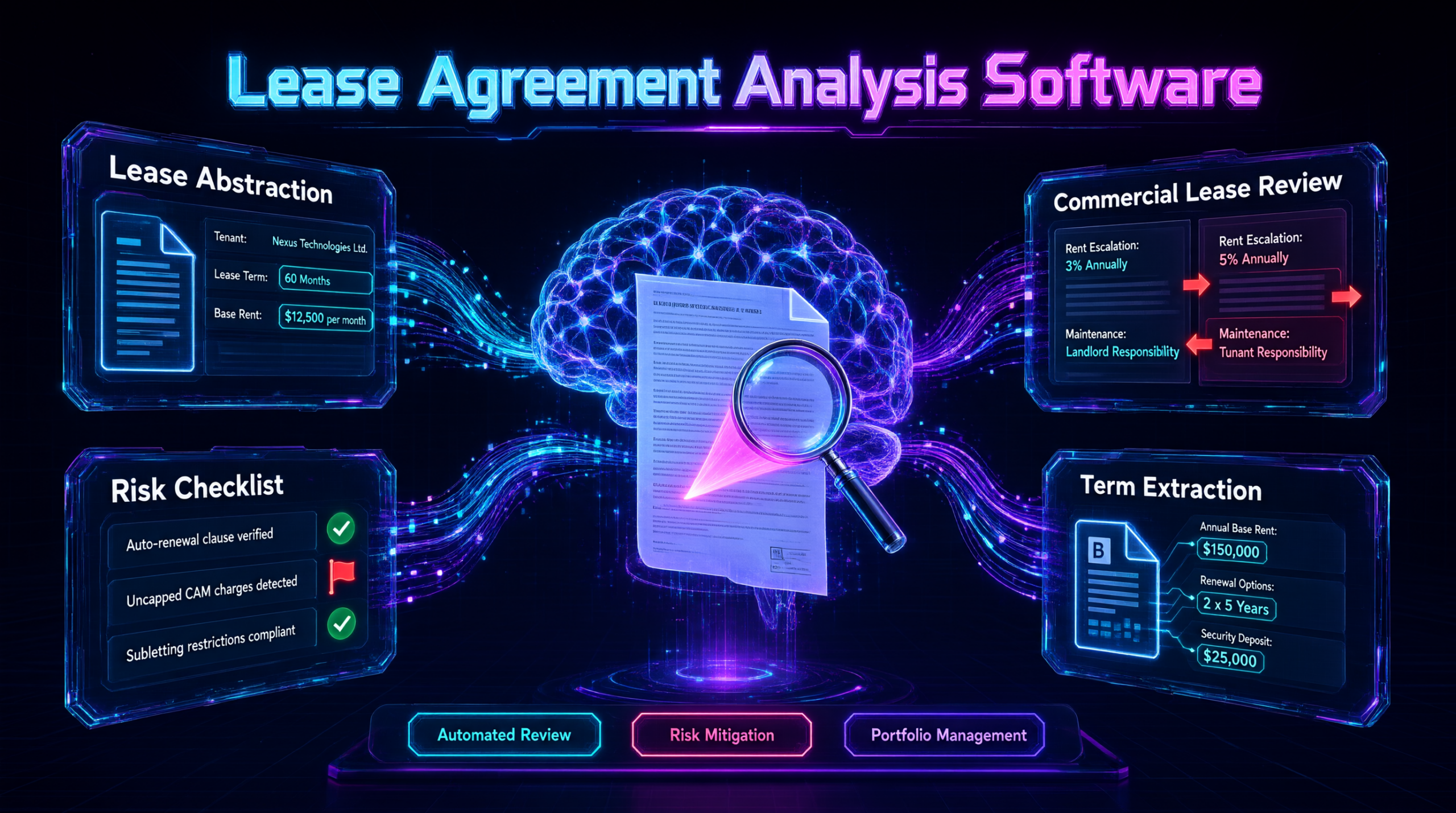
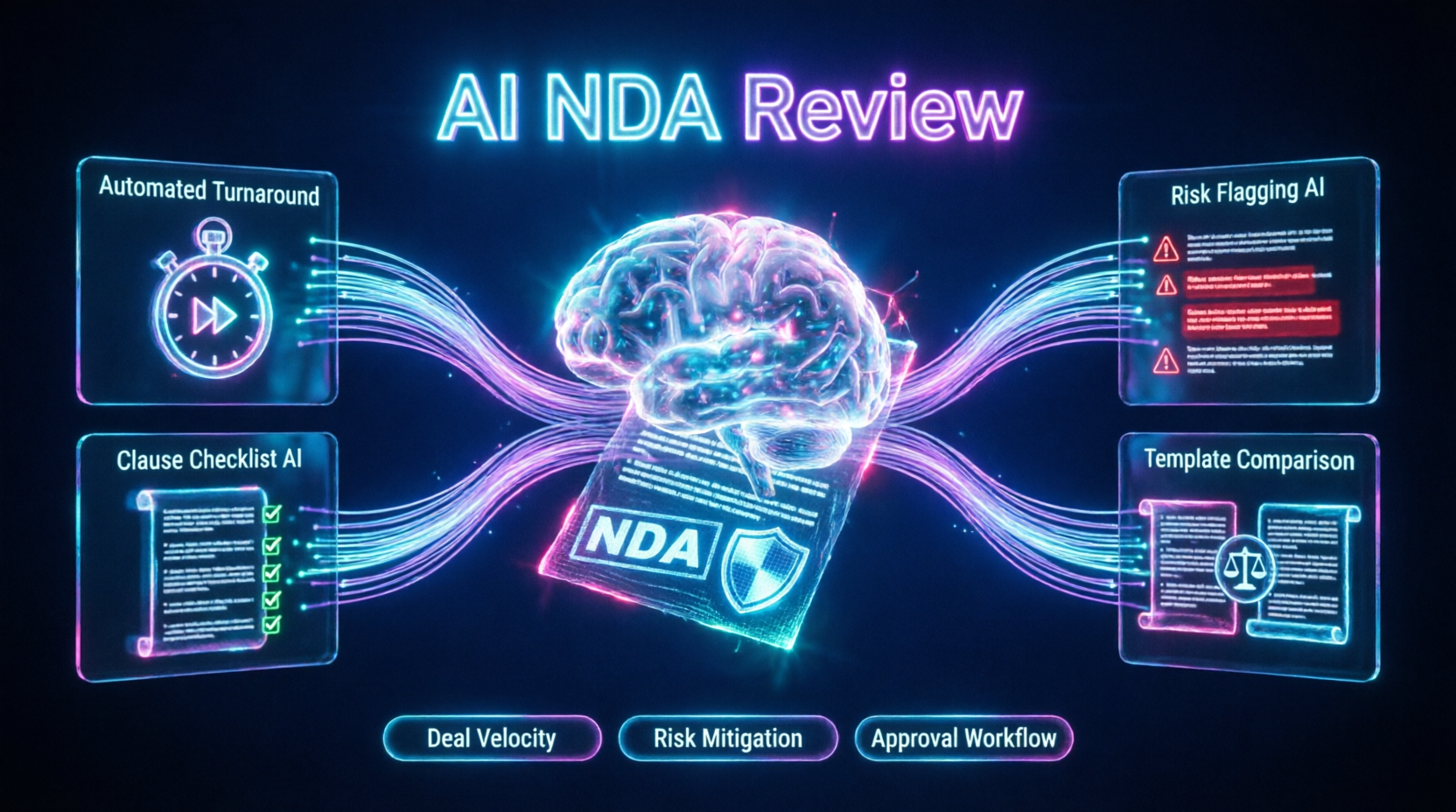
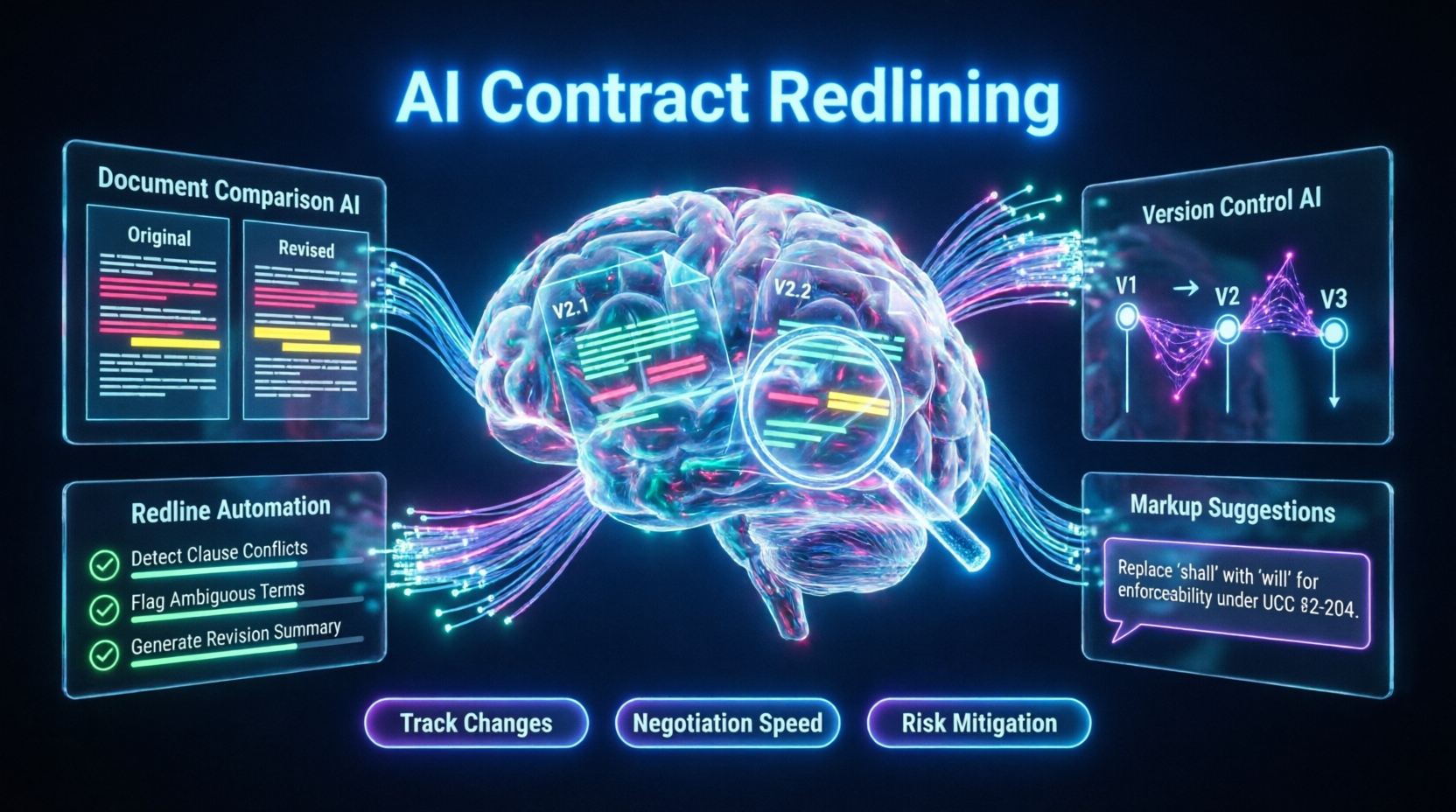
Legal and Compliance: Contract and Brief Analysis. Lawyers and paralegals use AI to instantly digest hundreds of pages of case law, discovery documents, and vendor contracts. By uploading a PDF to an AI tool, they can generate a summary that highlights key clauses, identifies potential liabilities, and flags deviations from standard legal playbooks, drastically accelerating the review process.
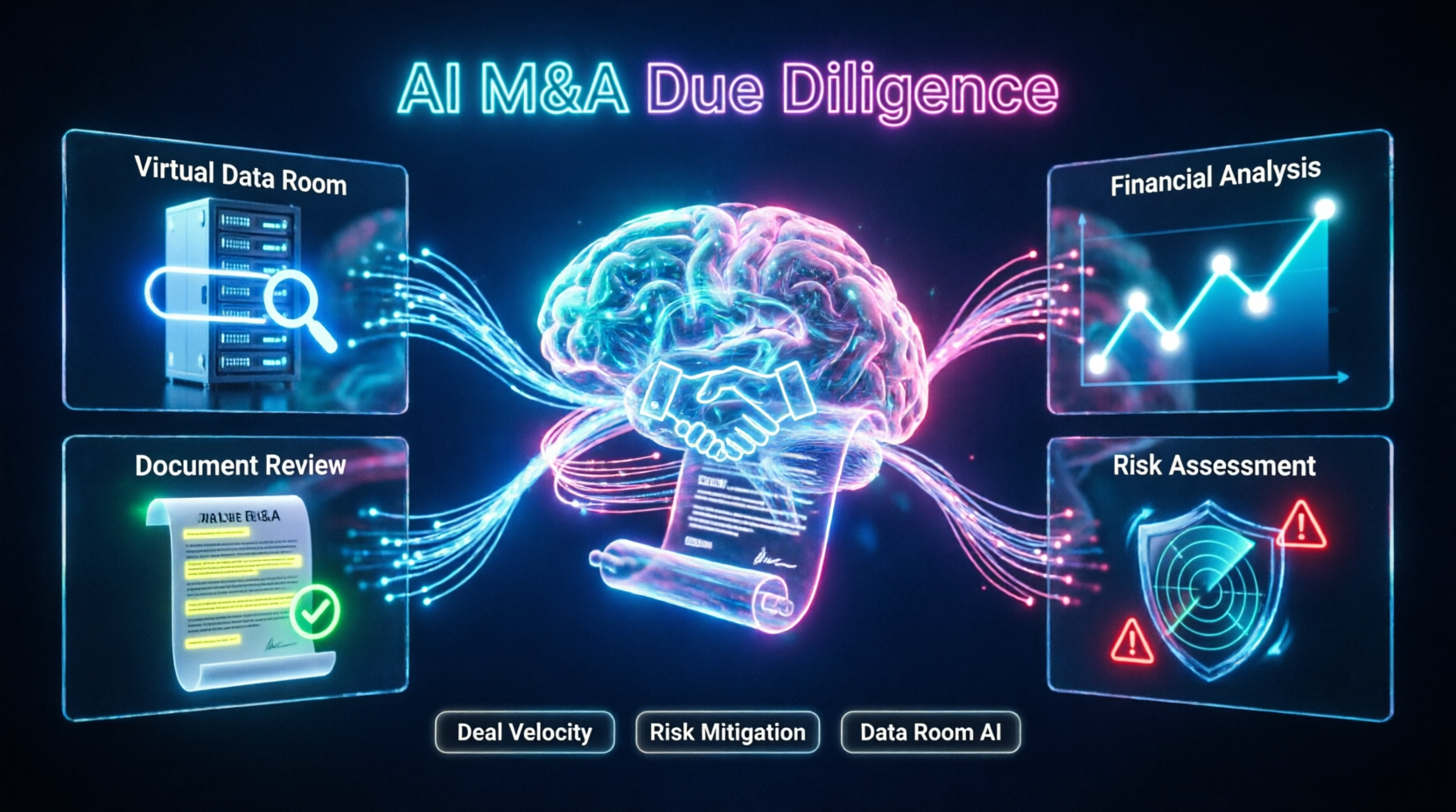
Finance and Business: Earnings Calls and Market Research. Financial analysts and executives use AI to condense long documents like quarterly earnings reports, 10-K filings, and extensive market research PDFs. The AI can extract key financial metrics, summarize the management’s forward-looking statements, and compare the report’s conclusions against previous quarters, providing a rapid snapshot of market health.
Academia and R&D: Literature Reviews. Researchers are overwhelmed by the sheer volume of published papers. By using AI to summarize PDF with AI, academics can quickly extract the methodology, sample size, and core findings of dozens of papers. This accelerates the literature review process, allowing scientists to identify gaps in current research and synthesize new hypotheses much faster.
Human Resources: Resume and Policy Screening. HR professionals use AI to summarize lengthy candidate portfolios or internal policy manuals. For example, an AI can read a 50-page employee handbook and generate a concise, bulleted summary of the new remote work policies, ensuring rapid and accurate internal communication.
5. Best Practices to Condense Long Documents Effectively
While AI is powerful, the quality of the output depends heavily on how you interact with it. Follow these best practices to effectively condense long documents and ensure high accuracy.
Provide Clear Context and Instructions. Don’t just upload a document and click “Summarize.” Provide explicit instructions. Tell the AI what your goal is. For example: “Summarize this 40-page technical report for a non-technical executive audience. Focus specifically on the implementation timeline and budget risks, and format the output as a bulleted list.”
Use Iterative Summarization for Complex Texts. If you are dealing with a highly complex or massive document (like a 300-page book), don’t ask for a single summary. Instead, ask the AI to summarize chapter by chapter. Once you have the chapter summaries, ask the AI to synthesize those summaries into a master overview. This “iterative” approach preserves much more nuance and detail.
Verify Critical Data Points AI models, particularly those using abstractive summarization, can occasionally “hallucinate” or misinterpret specific numbers, dates, or legal terms. Always use the AI summary as a highly efficient first draft or navigational map, but verify critical data points, financial figures, and legal obligations by cross-referencing the original text.
Leverage the “Compare and Contrast” Feature: When analyzing multiple documents, upload them simultaneously and prompt the AI: “Compare and contrast the risk factors outlined in Document A and Document B.” This allows you to condense long documents not just individually, but relationally, uncovering insights that would be nearly impossible to spot manually.
6. Comprehensive Query Coverage
What is the difference between extractive and abstractive AI document summarization? Extractive AI document summarization pulls the most important exact sentences from the original text. Abstractive summarization reads the text and generates entirely new sentences that capture the core meaning, resulting in a more fluent, human-like summary.
How do I summarize a PDF with AI if it is a scanned document? To summarize a PDF with AI when the file is a scanned image, you must use a tool that includes built-in Optical Character Recognition (OCR). The OCR converts the visual text into machine-readable characters, which the AI can then process and summarize.
Can a document summary tool handle highly technical or academic jargon? Yes, modern LLMs are trained on vast corpora of technical and academic text. However, for the best results, specify the target audience in your prompt (e.g., “Summarize this medical journal article for a general practitioner”) to ensure the document summary tool adjusts the complexity of the output appropriately.
Is it safe to upload confidential business documents to an AI summarizer? It depends on the vendor. To ensure safety, only use enterprise-grade tools that offer data isolation, end-to-end encryption, and a strict contractual guarantee that your data will not be used to train their public models. Avoid using free, consumer-grade chatbots for highly sensitive AI report summaries.
How can I condense long documents without losing critical details? To effectively condense long documents, use an iterative approach. Ask the AI to summarize the document section by section first, and then ask it to synthesize those section summaries into a final overview. Additionally, explicitly instruct the AI to retain specific metrics, dates, or names.
Conclusion
Mastering AI document summarization is no longer a futuristic convenience; it is a present-day imperative for professionals seeking to maintain a competitive edge in an information-saturated world. By moving beyond manual reading and embracing the power of automatic text summarization, individuals and organizations can reclaim hundreds of hours, accelerate decision-making, and ensure critical insights are never buried in the noise.
Whether you are deploying a robust document summary tool to analyze legal contracts, learning how to summarize PDFs with AI for academic research, or generating comprehensive AI report summaries for executive leadership, the key to success lies in strategic prompting, iterative refinement, and rigorous verification.
As large language models continue to evolve, their ability to understand nuance, context, and complex reasoning will only deepen. Embrace the power of AI to condense long documents today, and transform your approach to information from a burdensome chore into a strategic advantage.