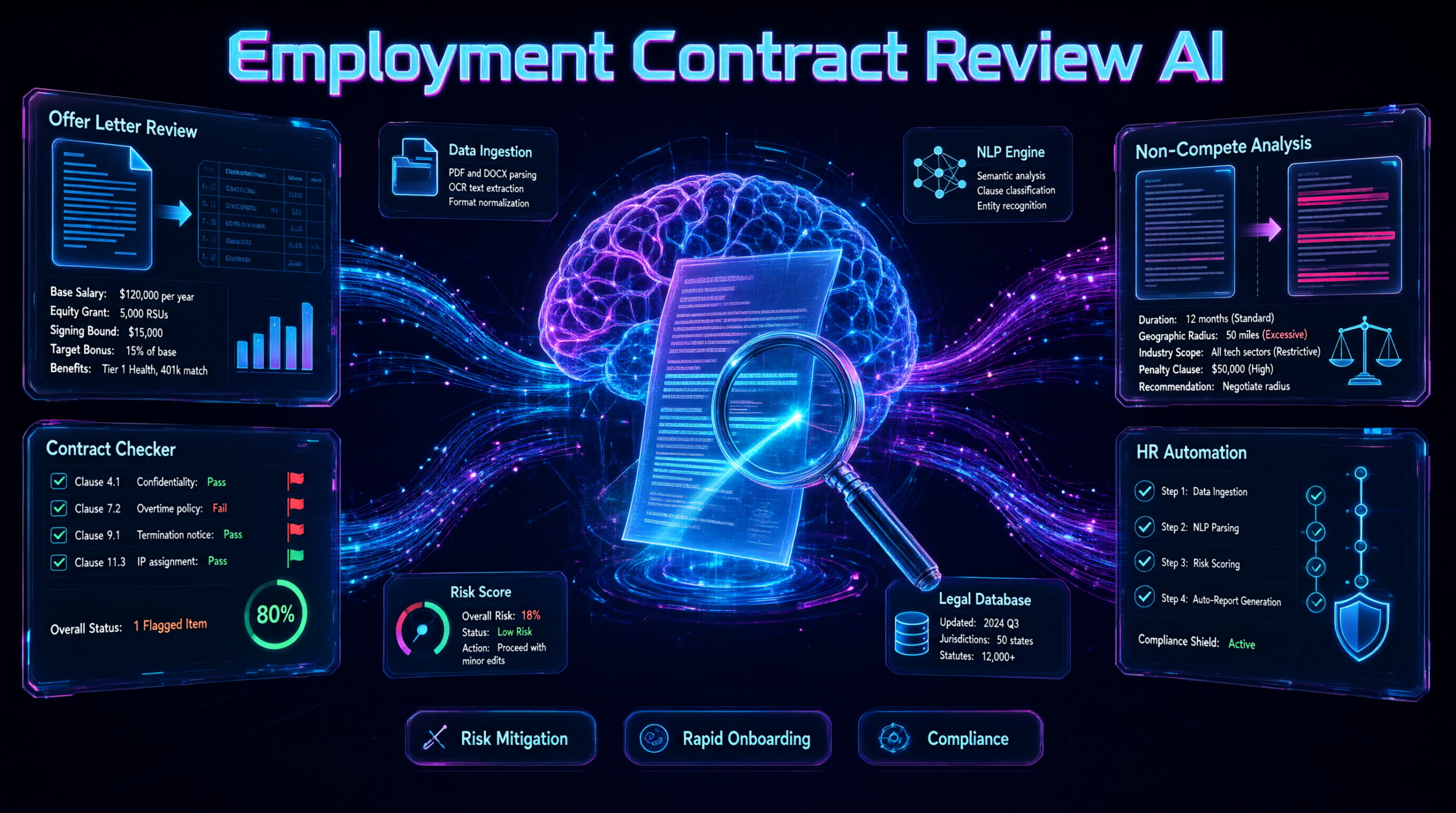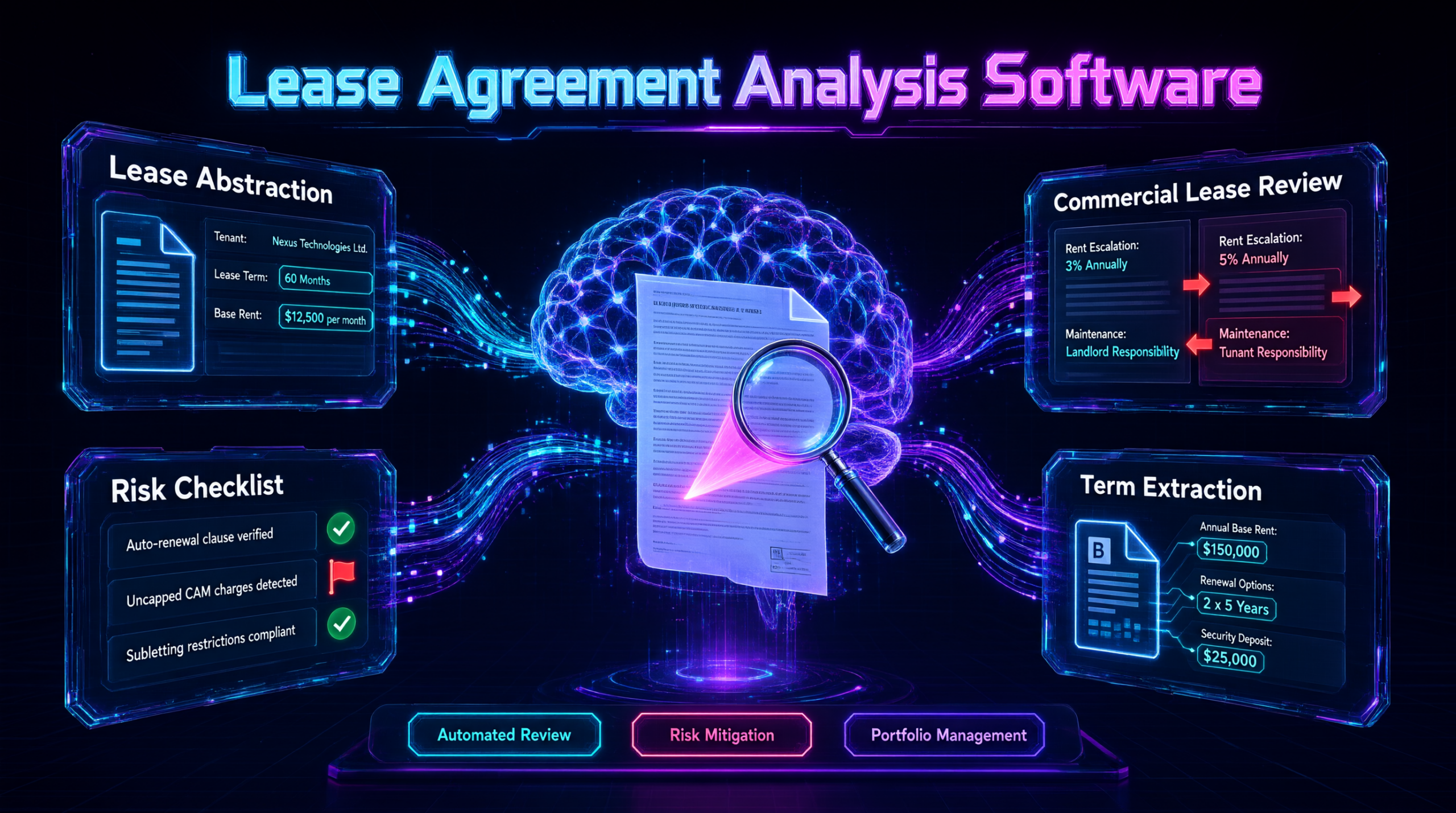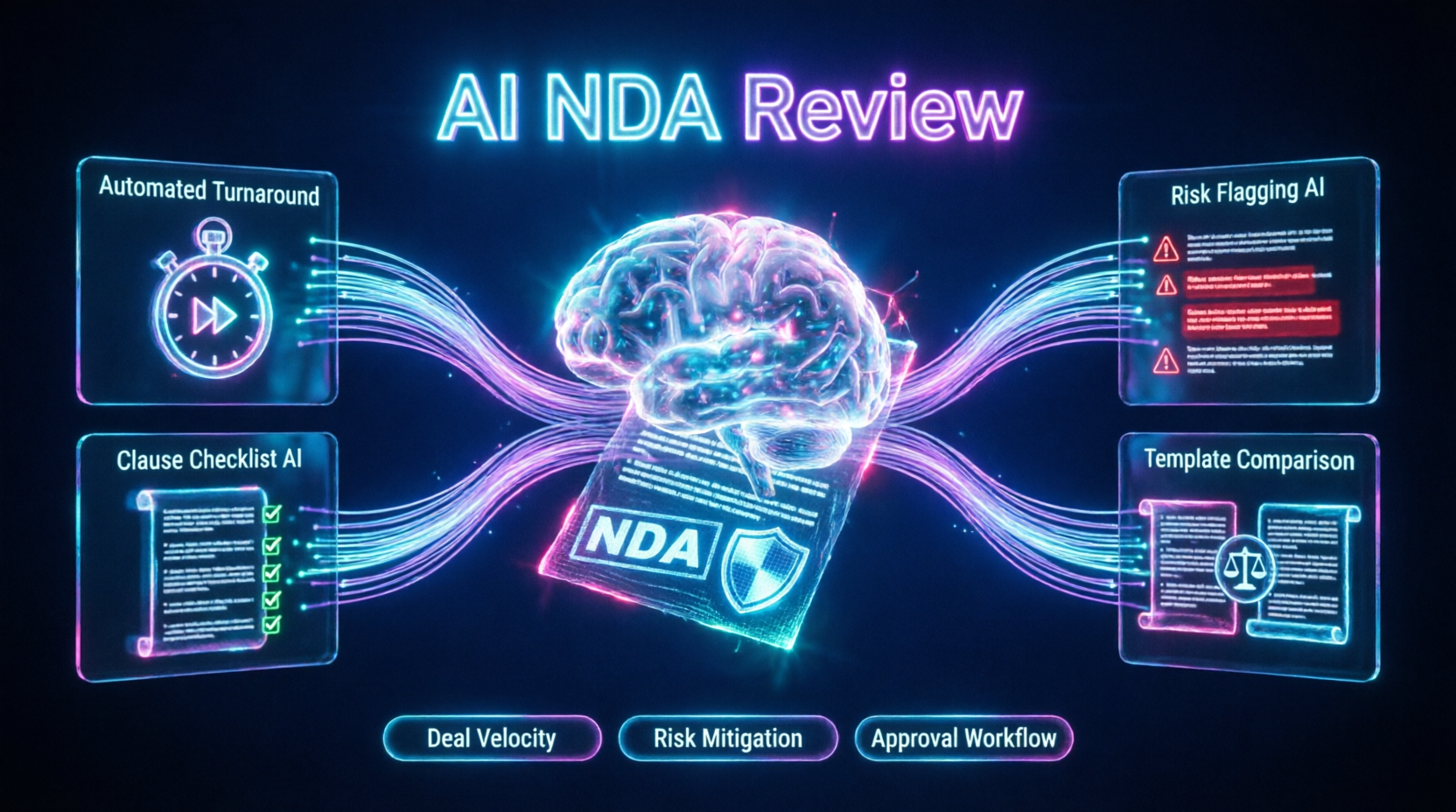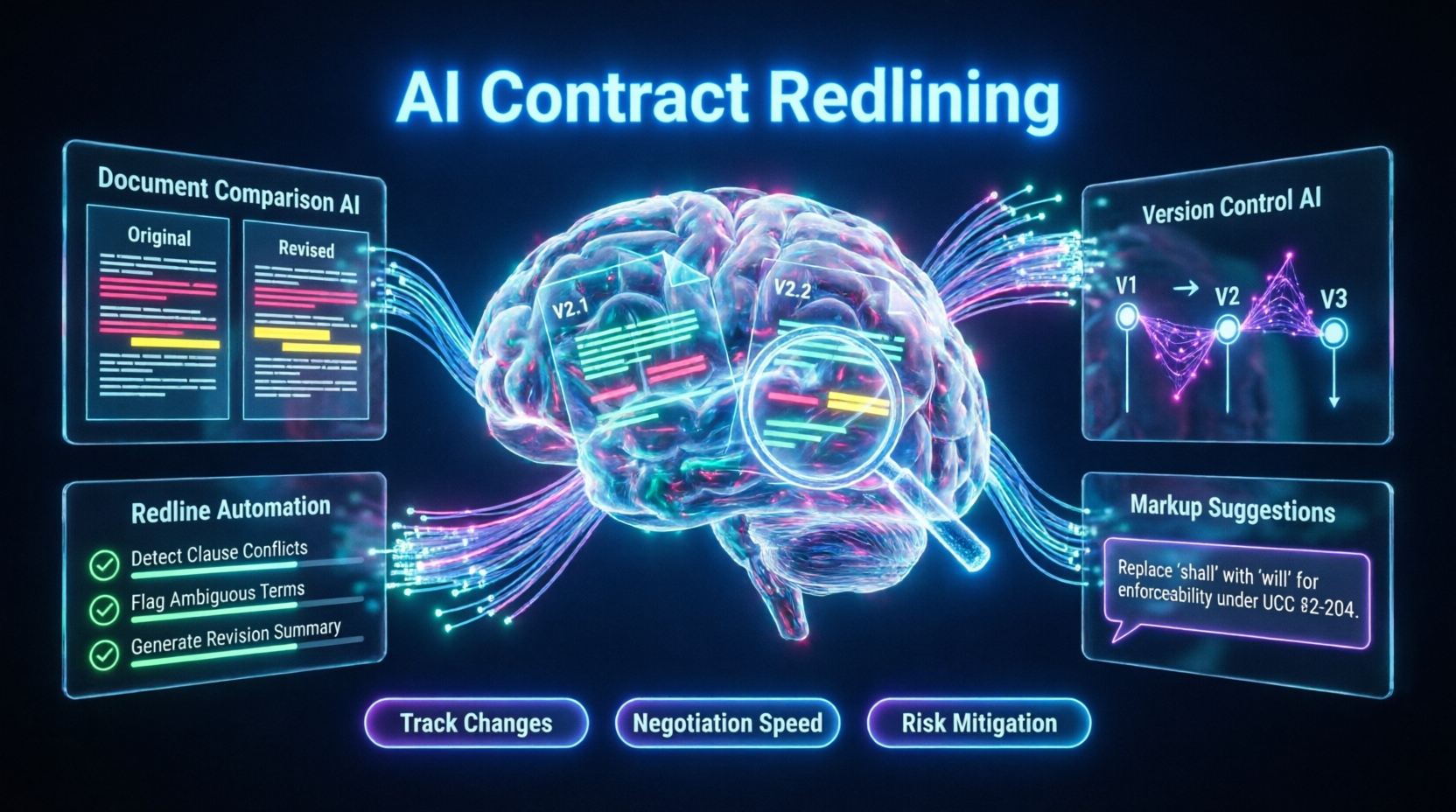
How to identify risky clauses in contracts using AI has become the most critical operational question for legal departments, procurement teams, and corporate counsel in 2026. As businesses navigate increasingly complex vendor relationships, mergers and acquisitions, and stringent regulatory environments, relying on manual, line-by-line contract review is no longer sustainable. The sheer volume of agreements, combined with the subtle linguistic nuances that hide financial and legal liabilities, means that human reviewers inevitably miss critical exposures. If you have ever wondered exactly how to identify risky clauses in contracts using AI without sacrificing accuracy or attorney oversight, you are not alone. Understanding the mechanics of AI contract risk detection, recognizing risky contract terms, and leveraging an AI agreement analyzer is the definitive key to protecting your organization from costly breaches, litigation, and revenue leakage.
This comprehensive, step-by-step guide demystifies the technology, answering exactly how to identify risky clauses in contracts using AI by exploring the science behind AI clause analysis, the power of automated risk review, and the strategic implementation of contract red flags detection. By the end of this article, you will have a clear, actionable roadmap to deploying intelligent contract review systems that safeguard your commercial interests while dramatically accelerating your deal cycles.
1. Understanding How to Identify Risky Clauses in Contracts Using AI
To truly master your organization’s commercial risk posture, we must first address the fundamental question: how to identify risky clauses in contracts using AI? Historically, identifying dangerous provisions required senior attorneys to manually read hundreds of pages, relying on experience, checklists, and memory. This approach is inherently linear, unscalable, and highly susceptible to fatigue-induced errors. A single overlooked indemnification cap or an ambiguous termination-for-convenience clause can cost a company millions in litigation or lost revenue.
When you learn how to identify risky clauses in contracts using AI, you are shifting from reactive, human-dependent scrutiny to proactive, algorithmic intelligence. Modern AI systems utilize advanced Natural Language Processing (NLP), semantic understanding, and machine learning models trained on millions of executed agreements. According to the Harvard Law School Forum on Corporate Governance, the integration of AI into contract lifecycle management is no longer a luxury for elite law firms; it is a baseline requirement for corporate risk mitigation and operational efficiency. For a deeper understanding of how to instruct these AI systems to prioritize your specific liability thresholds, explore our comprehensive guide on How to Write AI Prompts.
2. The Core Mechanics of AI Contract Risk Detection
The foundation of AI contract risk detection lies in its ability to move beyond simple keyword matching and understand the contextual, legal meaning of contractual language. Traditional software would only flag a clause if it contained the exact phrase “limitation of liability.” AI, however, understands synonyms, structural variations, and legal concepts, regardless of how they are phrased.
How AI Contract Risk Detection Works:
- Semantic Mapping: The AI maps the contractual language against a predefined legal playbook, understanding that “cap on damages,” “liability ceiling,” and “maximum exposure” all refer to the same risk concept.
- Contextual Awareness: The system evaluates clauses in relation to one another. For example, it can detect if a broad indemnification clause is paired with an uncapped liability provision, creating a compounding risk that a human might miss when reading sections in isolation.
- Risk Scoring Algorithms: Each flagged provision is assigned a dynamic risk score (e.g., Low, Medium, High, Critical) based on your organization’s specific risk tolerance, industry standards, and historical loss data.
- Comparative Benchmarking: The AI cross-references your contract against thousands of market-standard agreements to tell you if a clause is unusually aggressive, overly favorable, or non-compliant with current regulatory norms.
By leveraging AI contract risk detection, you transform contract review from a subjective art into a data-driven science. To see how these automated risk workflows integrate into broader enterprise governance strategies, review our detailed breakdown of AI Solutions for Business.
3. Spotting Risky Contract Terms with AI Clause Analysis
At the heart of the process is AI clause analysis. This is the specific mechanism by which the software isolates, categorizes, and evaluates individual provisions to determine their potential impact on your business. AI clause analysis doesn’t just tell you what a clause says; it tells you what it means for your bottom line.
Key Risky Contract Terms AI Automatically Flags:
- Unlimited or Misaligned Indemnification: Clauses that require you to indemnify a counterparty for their own negligence, or that lack a clear financial cap tied to the contract value.
- Aggressive Auto-Renewal Terms: Provisions that automatically extend the contract for multi-year periods unless notice is given within a narrow, easily missed window.
- Unfavorable Termination Rights: Clauses that allow the vendor to terminate for convenience with short notice, while locking you into long-term commitments or early termination fees.
- Data Privacy and Security Gaps: Missing or weak provisions regarding data ownership, breach notification timelines, and compliance with GDPR, CCPA, or industry-specific regulations.
- Jurisdiction and Dispute Resolution Traps: Governing law clauses that force you to litigate in foreign or inconvenient jurisdictions, or mandatory arbitration clauses that limit your legal recourse.
When you deploy AI clause analysis, you ensure that every single provision is measured against your commercial objectives. The AI acts as an infallible first line of defense, catching risky contract terms that would otherwise slip through manual review. For technical teams and legal engineers building these analytical pipelines, our guide on AI Coding Prompts is an essential resource.
4. Recognizing Contract Red Flags Through Automated Risk Review
Beyond analyzing individual clauses, a robust system excels at recognizing broader contract red flags through automated risk review. These are systemic issues that span the entire agreement, often indicating poor drafting, hidden obligations, or non-compliance with internal policies.
How Automated Risk Review Identifies Red Flags:
- Missing Critical Clauses: The AI instantly alerts you if standard protective provisions are entirely absent, such as confidentiality agreements, service level agreements (SLAs), or intellectual property assignment clauses.
- Conflicting Obligations: The system cross-references the entire document to find contradictions. For example, it will flag if Section 4 requires monthly deliverables, but Section 12 states payment is only due upon annual completion.
- Vague or Ambiguous Language: Phrases like “reasonable efforts,” “industry standard,” or “as soon as practicable” are flagged for revision, as they create enforcement nightmares and dispute vulnerabilities.
- Regulatory Non-Compliance: The AI continuously updates its knowledge base with new legislation, automatically flagging clauses that violate emerging data protection, labor, or environmental laws.
By utilizing automated risk review, you shift your legal team’s focus from hunting for basic errors to negotiating high-value commercial terms. To optimize the search and retrieval of these risk insights across your enterprise, many companies leverage platforms like Elastic AI-powered search.
5. How an AI Agreement Analyzer Transforms Legal Due Diligence
When facing high-volume scenarios like M&A due diligence, vendor onboarding, or lease portfolio management, the AI agreement analyzer becomes your most powerful asset. An AI agreement analyzer is designed to ingest thousands of documents simultaneously, extracting, categorizing, and risk-scoring them at machine speed.
Capabilities of an AI Agreement Analyzer:
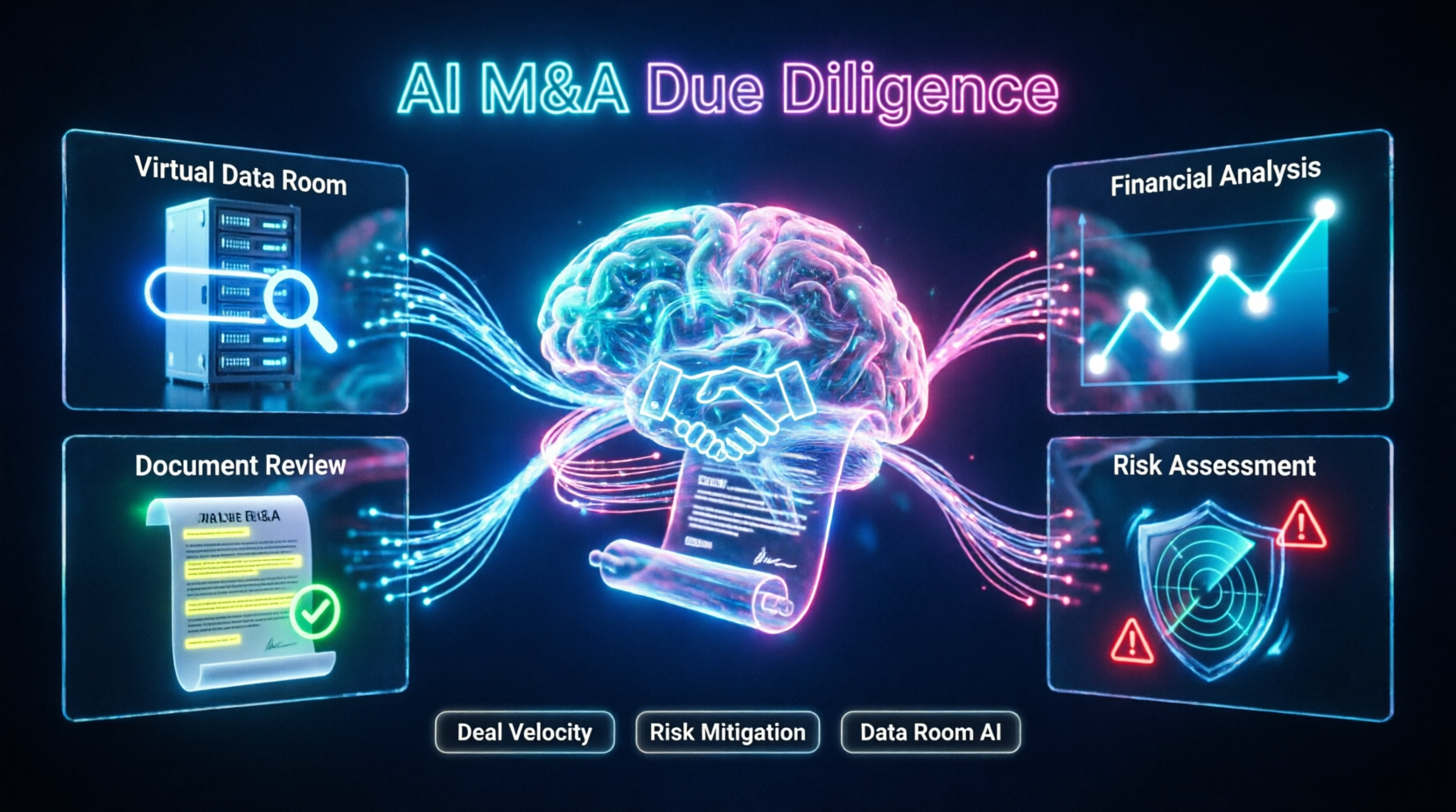
- Data Room Triage: In M&A transactions, the AI can process an entire virtual data room in hours, extracting change-of-control clauses, assignment restrictions, and hidden liabilities across thousands of target company contracts.
- Playbook Enforcement at Scale: The analyzer automatically generates redlines based on your company’s negotiation playbook, allowing your team to approve standard agreements instantly and focus attorney time only on high-risk deviations.
- Obligation and Rights Extraction: It pulls out all post-signing obligations, renewal deadlines, pricing escalation formulas, and audit rights, pushing them directly into your CRM or ERP for lifecycle management.
- Counterparty Risk Profiling: By analyzing historical contracts with specific vendors or partners, the AI builds a risk profile, alerting you if a counterparty consistently pushes for unfavorable terms.
By deploying an AI agreement analyzer, you compress due diligence timelines from months to days, dramatically reducing legal spend while increasing deal velocity and risk visibility. To discover the best platforms for these specialized enterprise tasks, check out our guide on the Best AI Prompt Libraries 2026.
6. Implementing AI for Contract Risk Management in Your Workflow
Knowing how to identify risky clauses in contracts using AI is only the first step; successful implementation requires strategic planning, playbook development, and change management. The most effective deployments integrate seamlessly into existing Contract Lifecycle Management (CLM) systems.
Step-by-Step Implementation Guide:
- Codify Your Legal Playbook: AI can only enforce rules if they are explicitly defined. Work with senior counsel to document your fallback positions, risk thresholds, and mandatory clauses in a digital format.
- Start with High-Volume, Standard Agreements: Prove the ROI quickly by automating NDAs, MSAs, and vendor agreements before tackling complex, bespoke M&A documents.
- Establish a Human-in-the-Loop (HITL) Protocol: While AI is powerful, attorney oversight remains mandatory. Configure the system to route Low/Medium risk contracts for automated approval, while escalating High/Critical flags to legal counsel for manual review.
- Integrate with Existing Tech Stack: Connect the AI tool to your CLM, e-signature platform, and procurement software to ensure risk data flows seamlessly into your operational workflows.
By following these steps, you ensure that your automated risk review processes are secure, compliant, and fully aligned with your business objectives. To ensure your broader document workflows are optimized alongside your legal tech stack, explore our guides on AI Document Analysis Platform and AI compliance document analysis.
7. Best Practices for Maximizing AI Contract Review Accuracy
The accuracy of your AI contract risk detection depends heavily on how you train, monitor, and govern the system. Unlike static software, AI models improve over time, but they require ongoing stewardship to maintain peak performance.
Best Practices for AI Contract Review:
- Prioritize Data Privacy and Privilege: Ensure the platform offers enterprise-grade security, zero-data-retention policies (ensuring client data isn’t used to train public models), and complies with ABA Model Rules of Professional Conduct.
- Continuously Refine the Playbook: As your business evolves, so should your risk thresholds. Regularly update the AI’s training data with newly negotiated clauses, regulatory changes, and lessons learned from past disputes.
- Measure and Optimize: Track key metrics like straight-through processing rates, false positive/negative rates, and time-to-signature. Use this data to fine-tune the AI’s sensitivity and accuracy.
- Train Your Legal Team: Shift the mindset from “AI as a replacement” to “AI as an amplifier.” Train attorneys on how to interpret AI risk scores, override false flags, and focus their expertise on strategic negotiation.
To ensure your personal tech stack or legal department is ready for this future, explore our comprehensive guide on AI Tools Importance and learn exactly How AI document analysis saves businesses time and money as these technologies scale globally.
Comprehensive Query Coverage
How to identify risky clauses in contracts using AI without replacing attorneys? Learning how to identify risky clauses in contracts using AI is about augmentation, not replacement. The AI acts as a tireless first reviewer, flagging risky contract terms and generating preliminary redlines. Attorneys then review the AI’s risk scores, validate complex legal nuances, and handle high-stakes negotiations, dramatically increasing efficiency while maintaining professional oversight.
What makes AI clause analysis more accurate than manual review? AI clause analysis eliminates human fatigue and cognitive bias. It applies the exact same risk standards to the 10,000th contract as it did to the first. By using semantic understanding rather than keyword matching, it catches contract red flags hidden in unusual phrasing, conflicting sections, or missing provisions that manual reviewers frequently overlook.
How does automated risk review handle regulatory compliance? An automated risk review system continuously ingests global regulatory updates (GDPR, CCPA, industry-specific mandates) and cross-references them against your contract portfolio. If a clause violates a new regulation, the AI instantly flags it as a compliance risk, ensuring your agreements remain legally sound as laws evolve.
Can an AI agreement analyzer detect hidden liabilities in M&A deals? Yes. An AI agreement analyzer excels in M&A due diligence by rapidly extracting and risk-scoring thousands of target company contracts. It identifies hidden liabilities like uncapped indemnities, unfavorable auto-renewals, and change-of-control triggers that could derail a deal or impact valuation.
How often should I update my AI contract risk detection model? You should update your AI contract risk detection model quarterly, or whenever there are significant changes to your legal playbook, regulatory environment, or business strategy. Continuous learning loops, where attorney corrections are fed back into the model, ensure the AI’s accuracy improves over time..
Conclusion
Mastering how to identify risky clauses in contracts using AI is no longer a futuristic concept; it is the current standard for modern commercial operations and legal risk management. By leveraging AI contract risk detection, deploying precise AI clause analysis, implementing automated risk review to catch systemic contract red flags, and utilizing an AI agreement analyzer for high-volume due diligence, organizations can protect their revenue, accelerate deal cycles, and empower their legal teams to focus on strategic value creation.
The transition from manual, error-prone contract review to intelligent, data-driven risk management represents a fundamental evolution in how businesses handle commercial agreements. By selecting the right tools and implementing robust governance practices, you ensure that every contract you sign aligns with your risk tolerance and commercial objectives.